
The Isabelline Shrike (Lanius isabellinus, also called the Daurian Shrike) and the Red-tailed Shrike (Lanius phoenicuroides, also known as the Turkestan Shrike) are closely related small passerines. They were previously treated as a single species, but major taxonomic authorities (such as the IOC and Clements) now recognize them as separate species based on differences in morphology, vocalizations, and breeding ranges.
Why is this important? For us here in Copenhagen in the later parts of autumn have a listing shrike ….. and a very rare one at that! The key question is, Isabelline or Red-tailed?
Identification in particularly young birds is hard and a DNA sample can be required to confirm its identity. So all the very, very, very smart birders in Copenhagen are in limbo. Said DNA test will be undertaken and at some point we will all know. If the result turns out to be an Isabelline Shrike, then this will be a new species for Denmark, however, that would not have been the case a few years ago, when they were treated as a single species. All exciting for the strong Danish birding community, and for me, also nice to see, especially as it is 5 minutes drive from my Copenhagen office.
Let’s hope there are more exciting visitors over the impending winter period. Going out searching for seldom seen species appeals to me, maybe we have a Snowy Owl visiting, something that has not happened for a long time, but aiming high is fine for me.
Like other shrikes, the shrikes below it is a ferocious predator of large insects, small birds, rodents and lizards, and just over the last couple of days, it has been seen devouring a Eurasian robin and Eurasian wren . Like other shrikes it has been hunting from prominent perches and impales the corpse on thorns as a larder. Watching today, the shrike swiftly killed the wren and flew backwards and forwarded from prominent perches to the “larder” for the next hour feasting on the little wren.
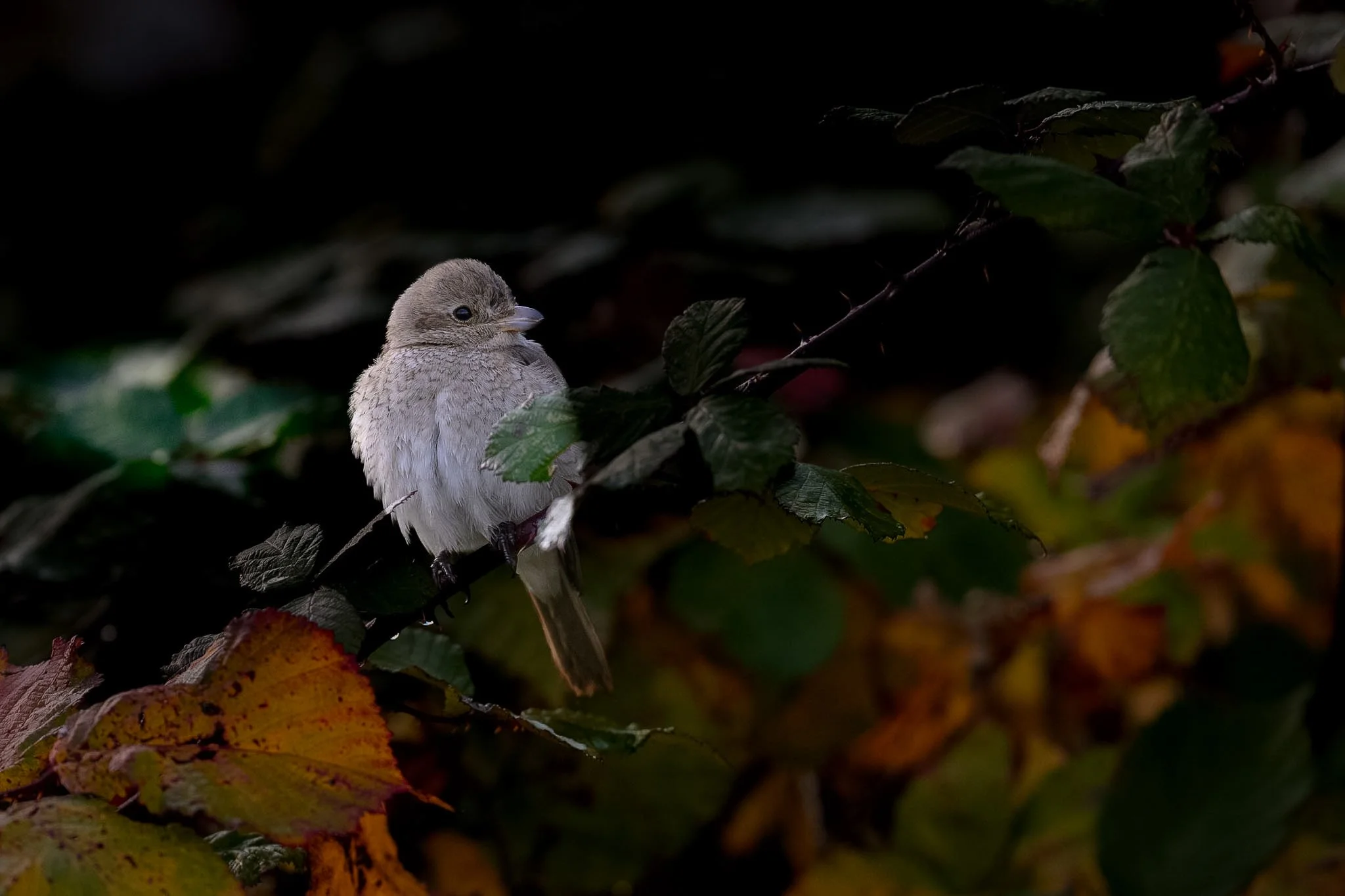
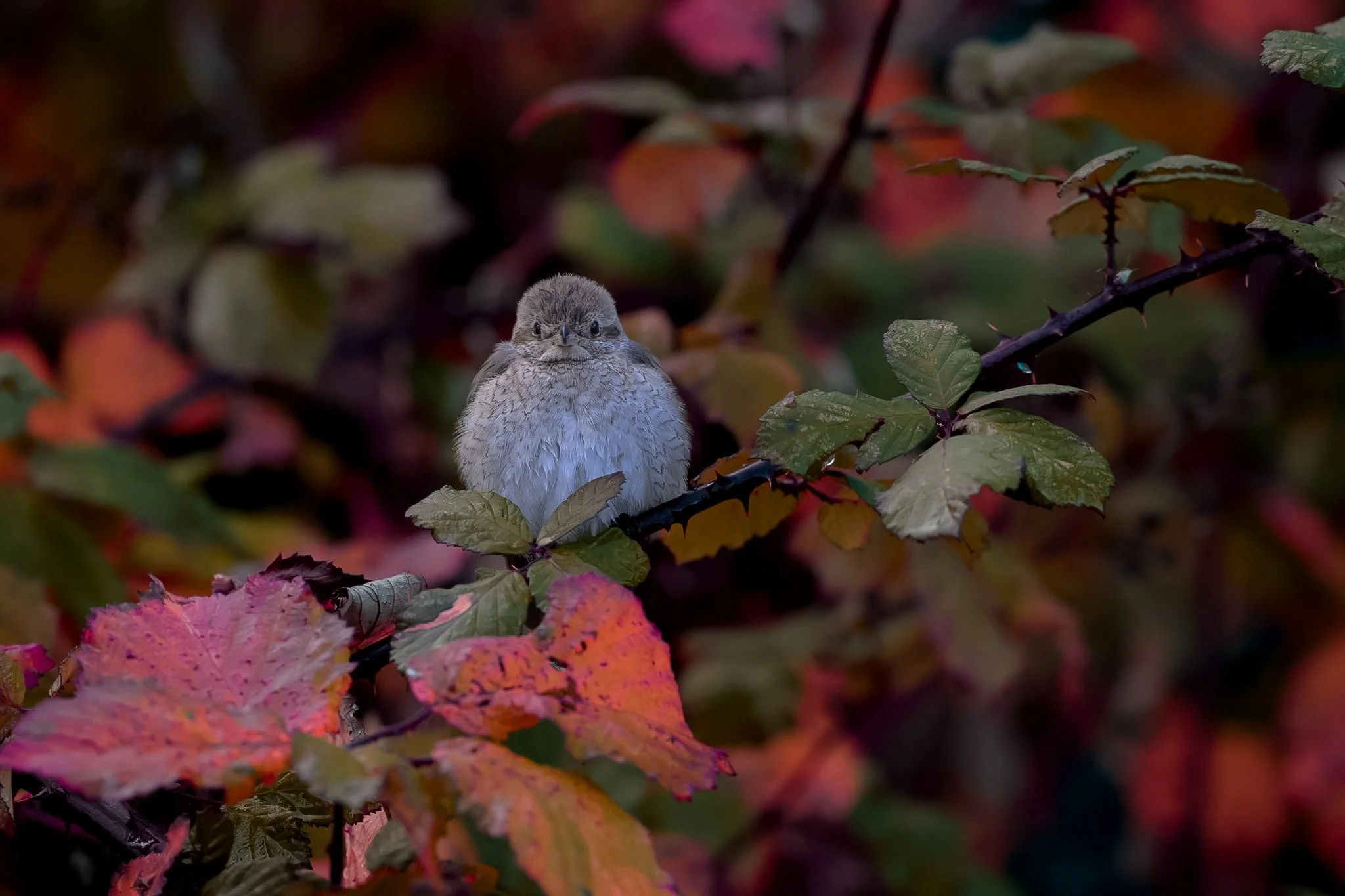
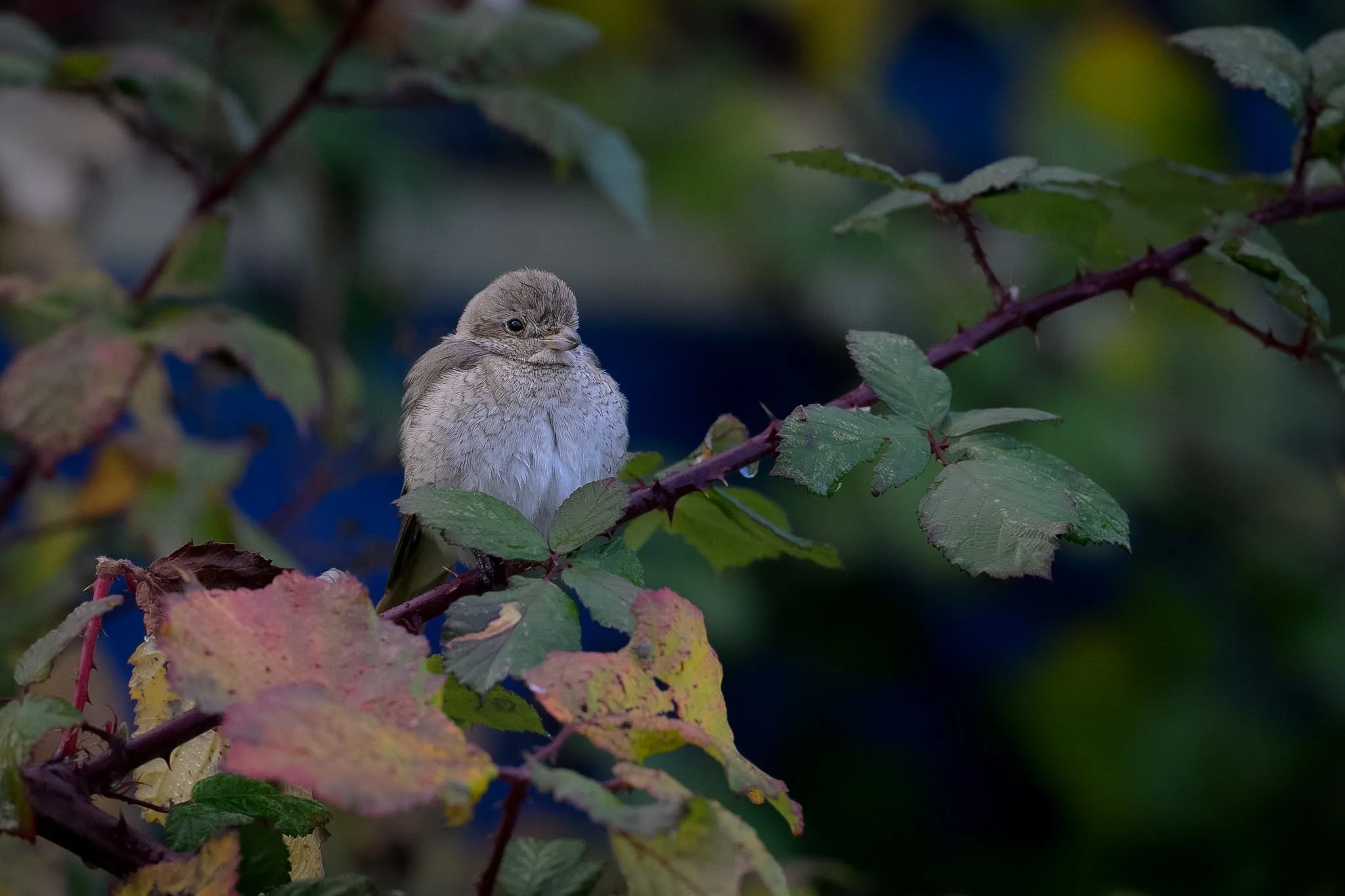
All indications are this is an Isabelline Shrike, when looking at its colouration. Further, an Isabelline Shrike was seen in Halland province in Sweden across the Øresund during October. For reference, the name comes from the colour, Isabelline, a pale grey-yellow, pale fawn, pale cream-brown or parchment colour.
For me, I’ll wait for the DNA results, but you can decide for yourselves.