
Falsterbo - Scandinavia’s premier migration hotspot
A Birding Copenhagen guide to the best birding hotspot in Scandinavia — August through October
Just over an hour from Copenhagen, across the Øresund Bridge, lies a stretch of land that draws birders from every corner of Europe every autumn: the Falsterbo peninsula, in the far southwest corner of Sweden. Each year, an estimated 500 million migratory birds pass over southern Sweden on their way south, and Falsterbo is where the funnel narrows to a point. Birds moving south along Sweden's coastline reach the tip of the peninsula and, reluctant to strike out over open water, pile up here before finally crossing the Baltic — often passing directly overhead, sometimes at eye level.
There is nowhere else in Europe where you can reliably stand in one place and watch thousands of raptors, hundreds of thousands of finches, and dozens of species of waders move past in a single morning. Birding Copenhagen runs full-day and multi-day guided tours to Falsterbo throughout the autumn season, and this guide breaks down what to expect month by month — so you know exactly when to book for the species you want to see.
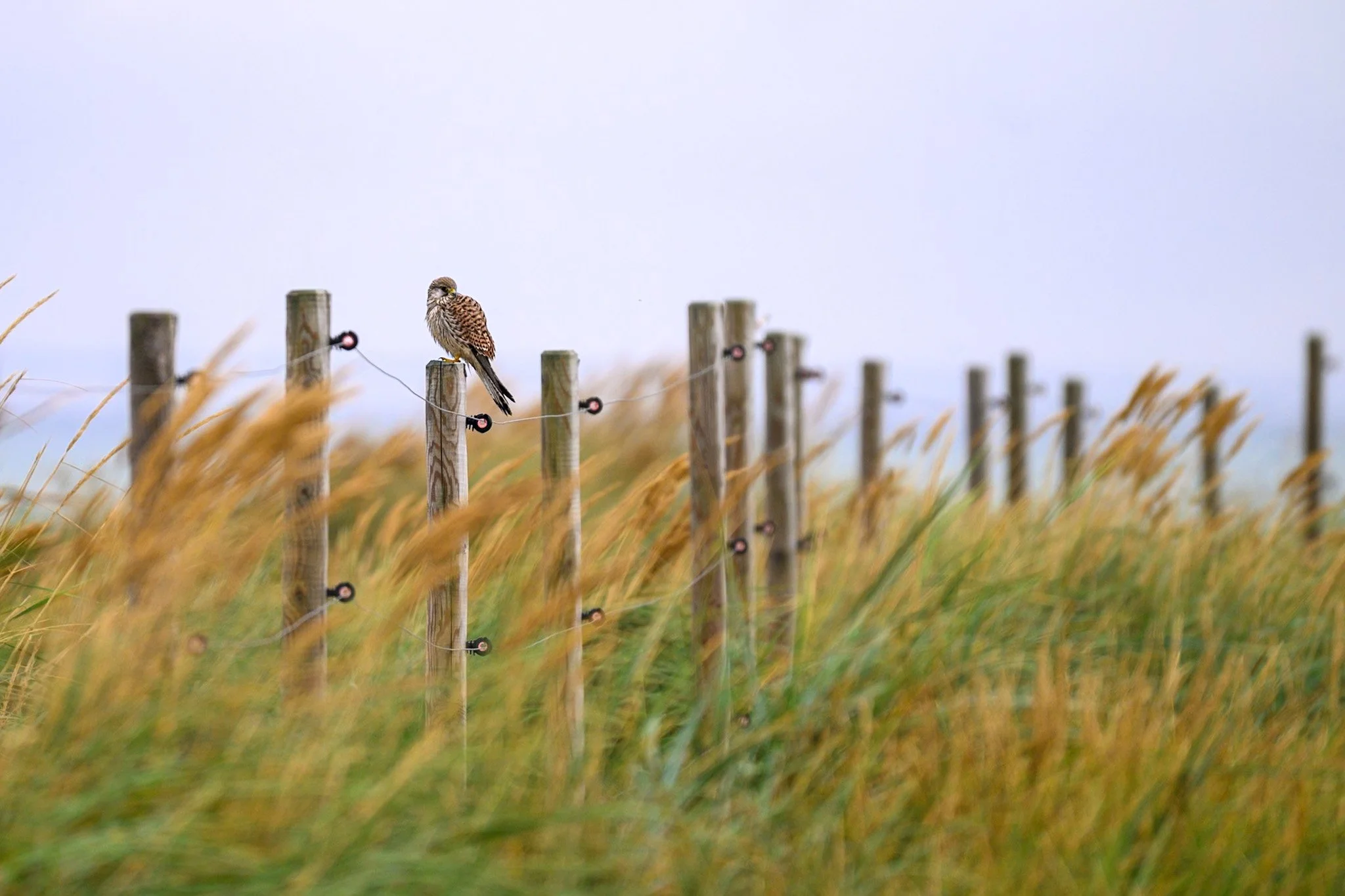
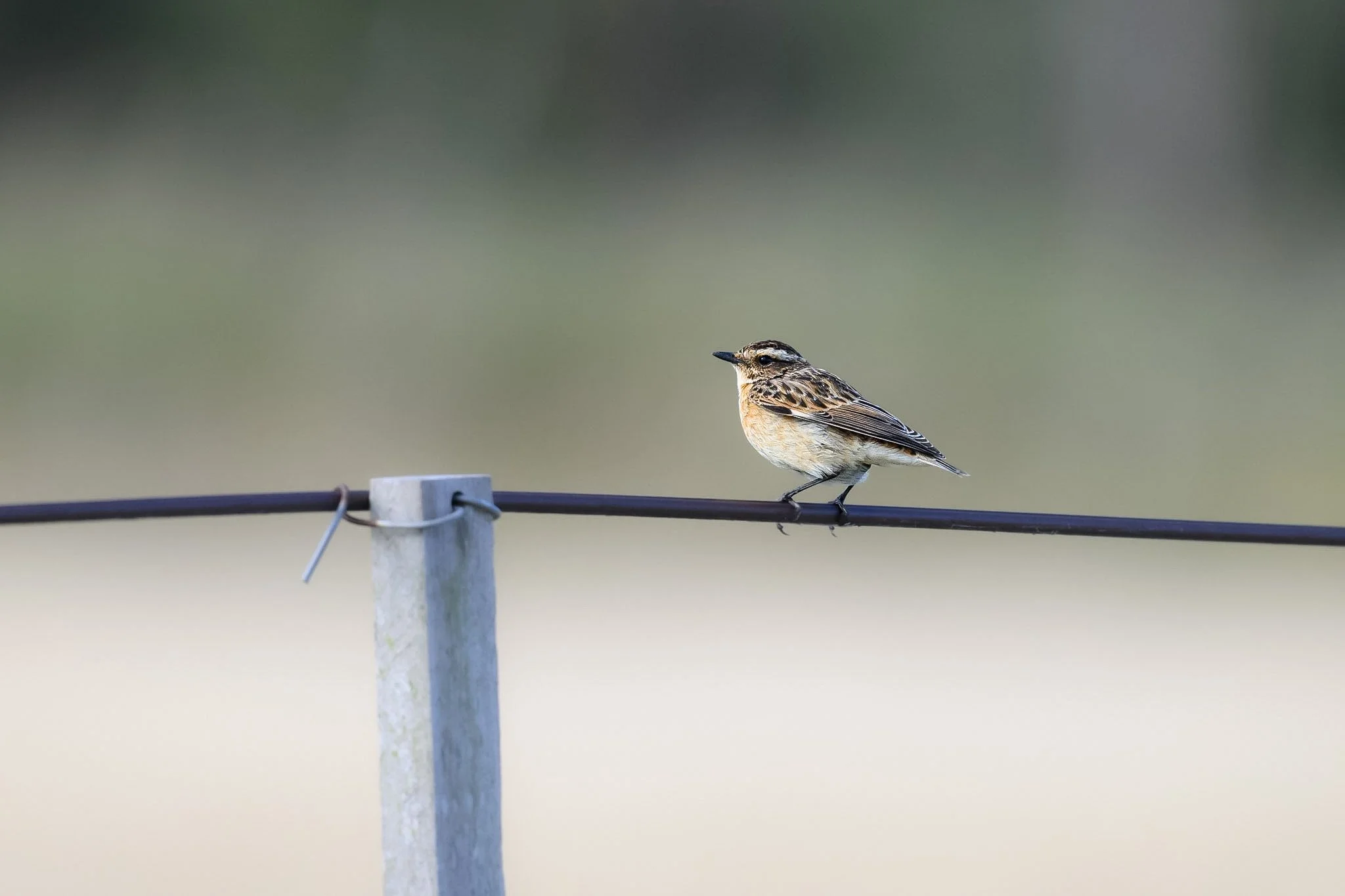
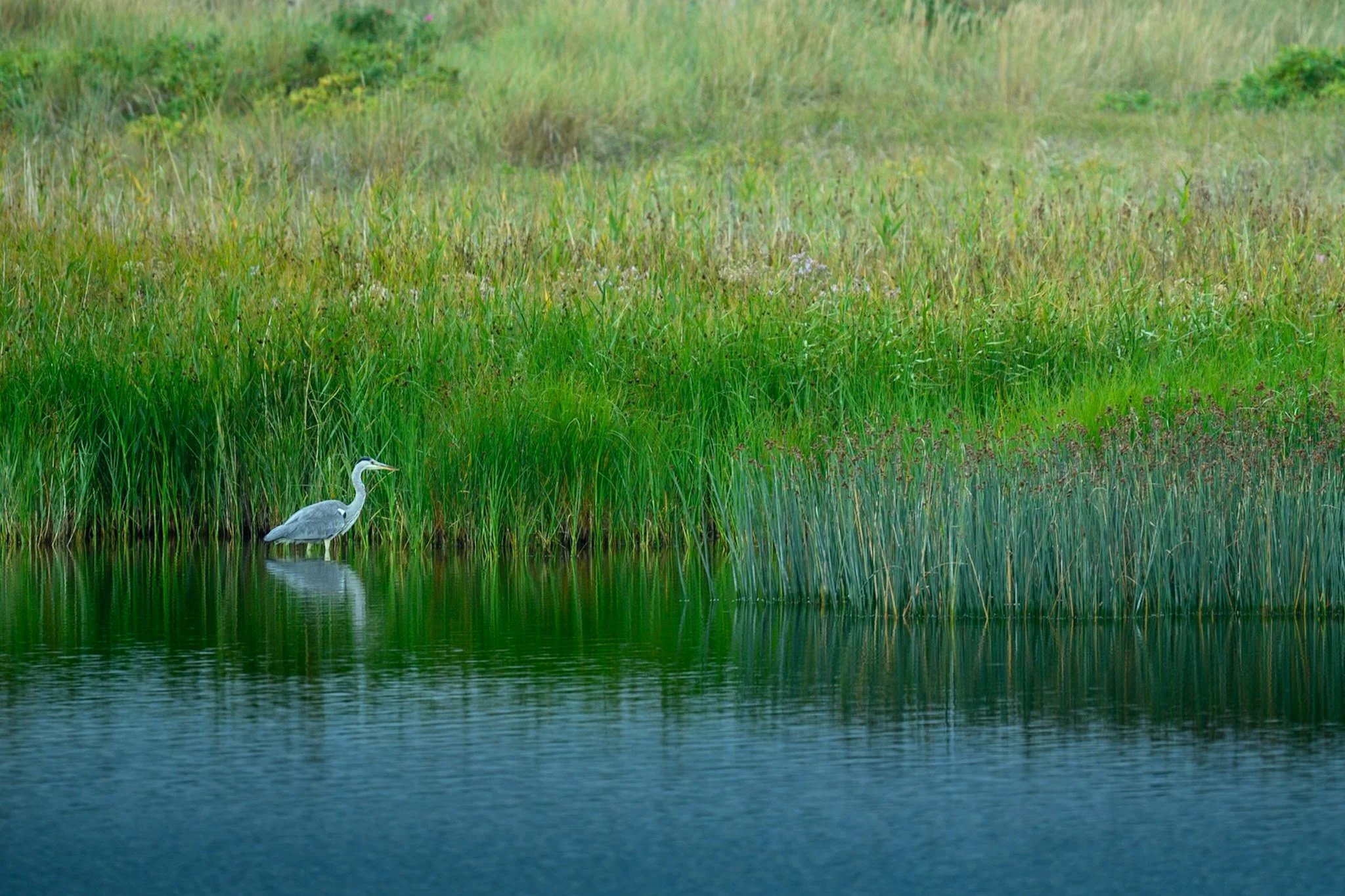
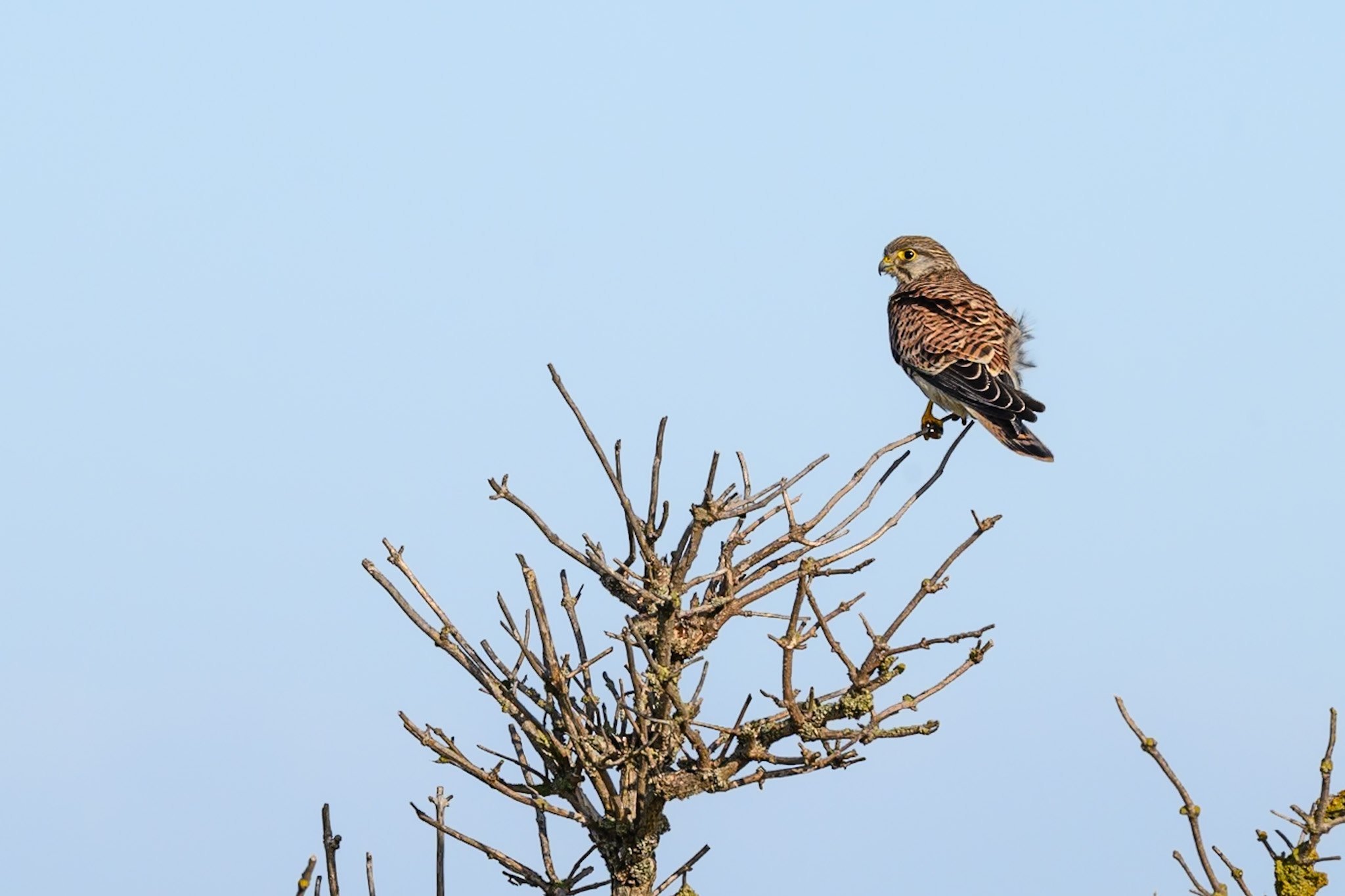
Why Falsterbo Works
The peninsula's geography is what makes it so extraordinary. As birds funnel down through Scania toward the coast, they naturally concentrate along the shoreline rather than commit to open sea. Falsterbo, at the very southwestern tip, is the last piece of land before the crossing — so everything backs up here. Add favourable weather (light southwesterly winds are the magic ingredient) and the sky can genuinely fill with birds, with flocks passing low enough to watch without optics. With more than 350 species recorded on the peninsula, virtually anything can turn up alongside the expected regulars.
August: The Early Push
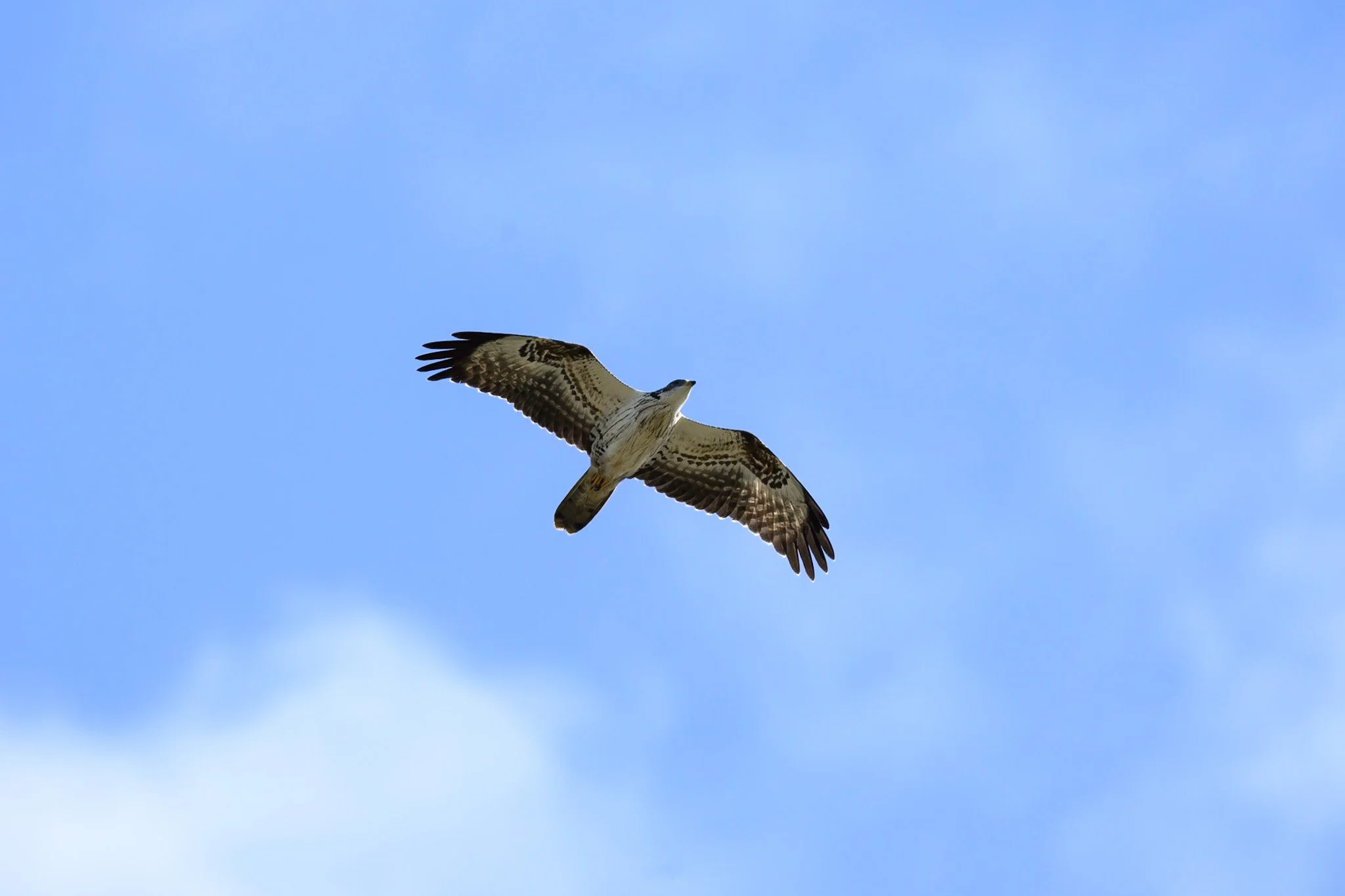
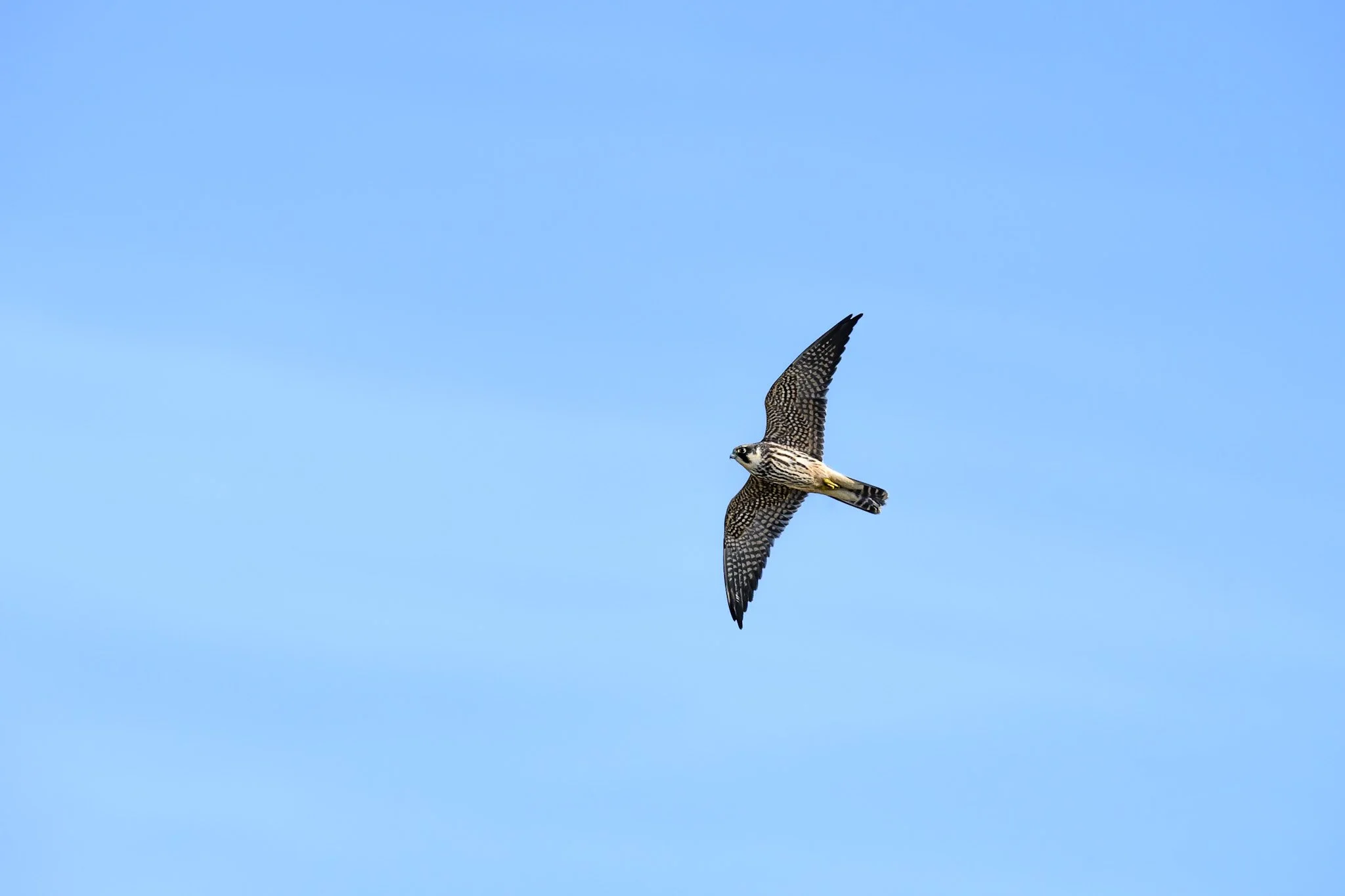
Migration at Falsterbo is already well underway by August, though it's a quieter, more varied kind of movement than the raptor spectacle to come. Wader and tern passage, which begins in July, is still building through August, with a couple dozen shorebird species moving through the coastal flats. This is also when the first big raptor movements begin: Honey Buzzards, which travel in loose groups and can appear in genuinely large numbers on a good day, alongside Eurasian Hobby, Western Osprey, and Marsh Harrier. Alongside the raptors, look for the classic long-distance passerine migrants departing northern Europe: Tree Pipit, Yellow Wagtail, Barn Swallow, Sand Martin, House Martin, and Common Swift all move through in numbers. The peninsula's patches of scrub and garden habitat also pull in nocturnal migrants — Redstarts, flycatchers, and various warblers — that have dropped in overnight and are refuelling before continuing on.
Key species to target in August: Honey Buzzard, Eurasian Hobby, Osprey, Marsh Harrier, Tree Pipit, Yellow Wagtail, plus a strong supporting cast of waders and hirundines.
September: Peak Diversity
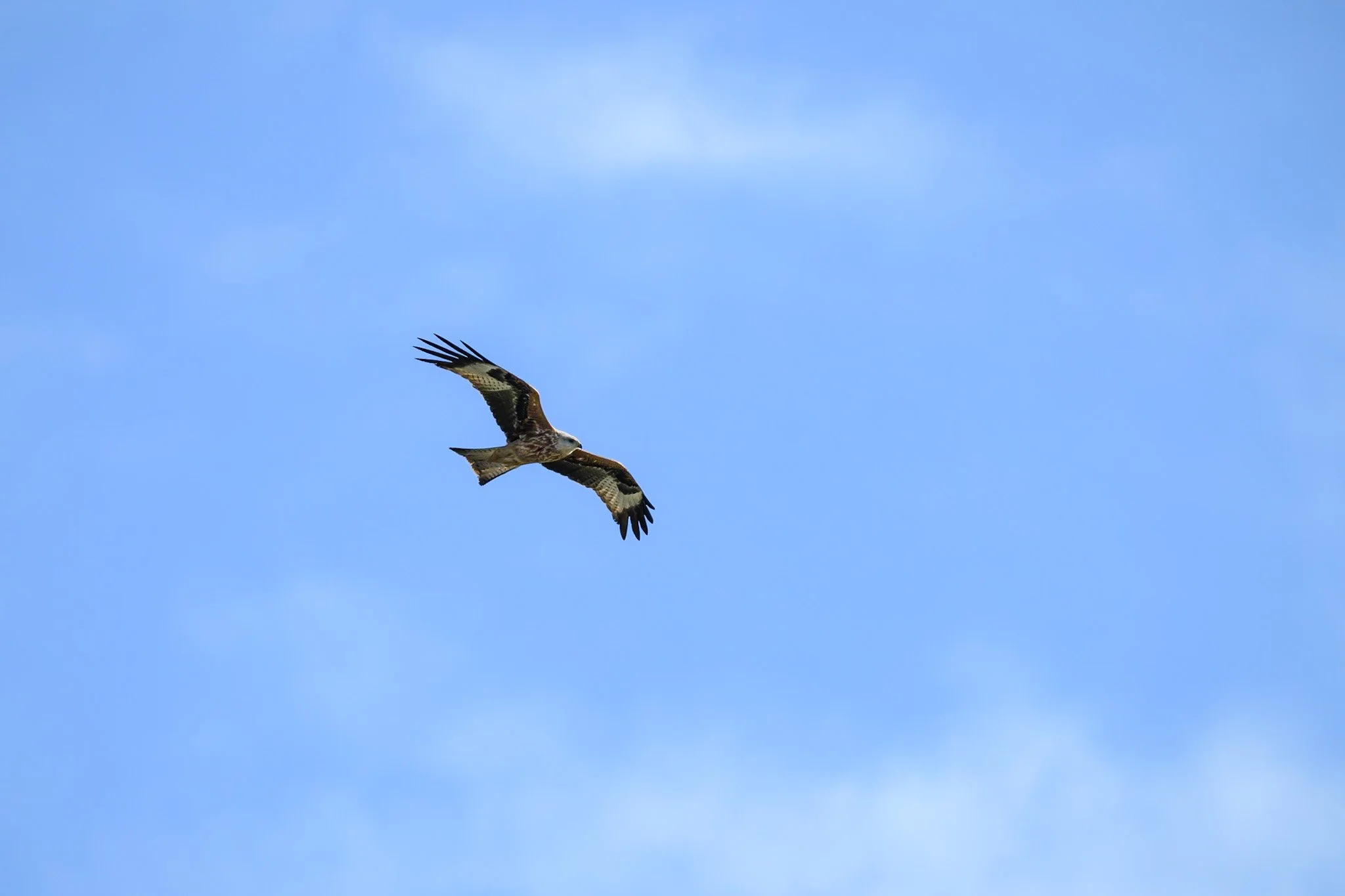
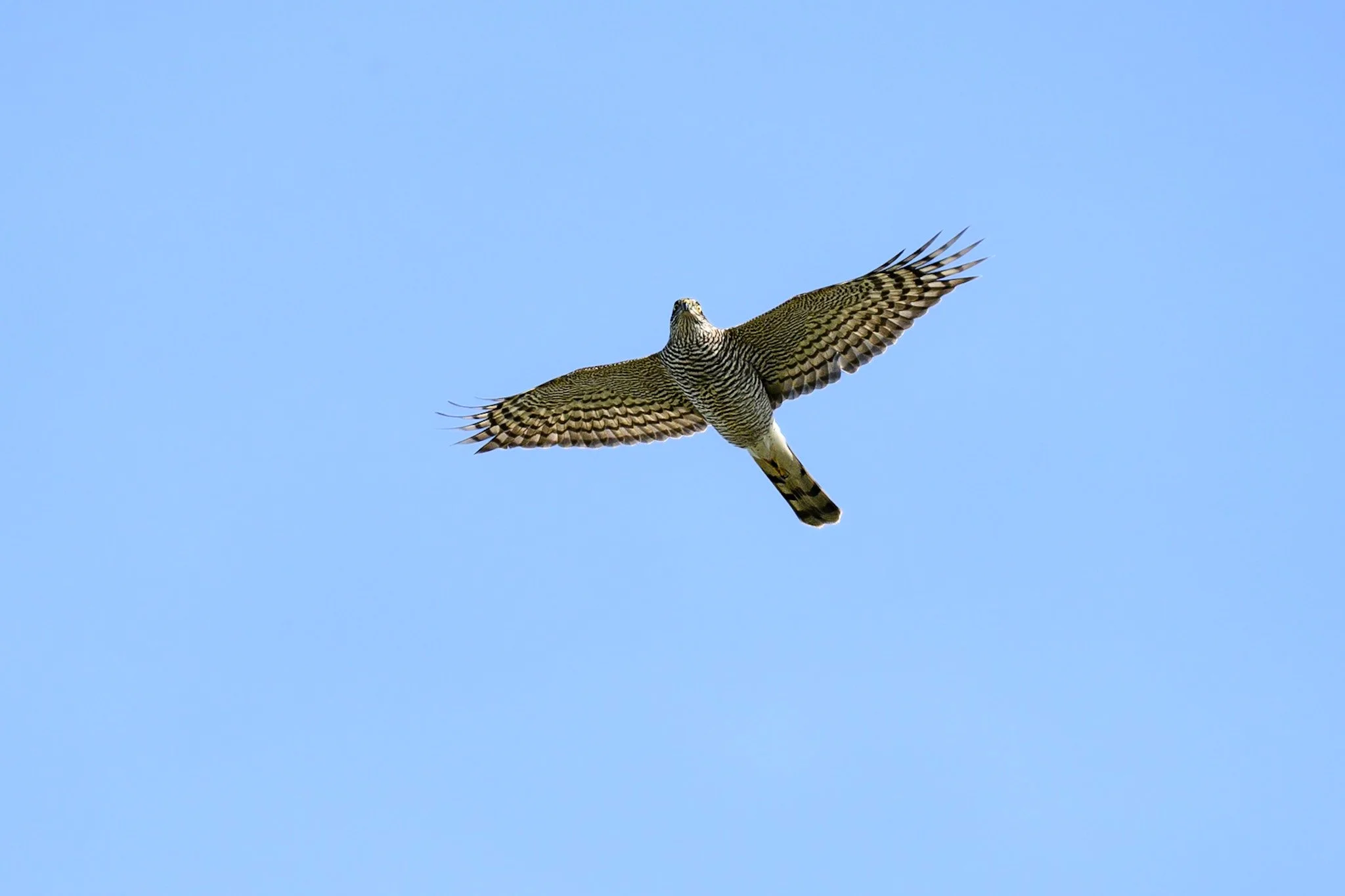
September is widely considered the single best month to visit Falsterbo, and it's the month most experienced birders build their trip around. Raptor migration is now in full swing — Honey Buzzard and Sparrowhawk numbers are typically at their highest, and this is prime time for scarcer birds of prey such as Red Kite, Pallid Harrier, Hen Harrier, Red-footed Falcon, White-tailed Eagle and even the occasional Golden Eagle of rare species, such as a vulture. This is also when passerine migration really accelerates. By mid-to-late September, Falsterbo is seeing large, visible flows of Brambling, Chaffinch, Siskin, Linnet, Meadow Pipit, and Blue Tit, along with thrushes on the move and steady ringing activity at the Falsterbo Bird Observatory, where visitors can watch birds being examined and released at close range. September is also the month for genuine surprises — recent years have produced Red-necked Phalarope, Broad-billed Sandpiper, Nutcracker, and even Northern Hawk Owl.
Key species to target in September: Honey Buzzard, Pallid Harrier, Hen Harrier, White-tailed Eagle, Red-footed Falcon, Red Kite, Brambling, Chaffinch, plus a genuine chance at national and regional rarities.
October: The Big Numbers
By October, the character of migration shifts again. Raptor passage is still strong into early October — Common Buzzard and Eurasian Sparrowhawk take over as the most numerous species, often reaching several thousand individuals a day when conditions align, whilst the bigger raptors are also present in good numbers in the first half of the month — but the real headline act becomes the sheer volume of visible migration overhead. Enormous flocks of Wood Pigeon, Chaffinch, Brambling, Starling, and Barnacle Goose stream past, sometimes in numbers that are genuinely difficult to estimate. Siskin, Linnet, Meadow Pipit, and wildfowl such as Common Eider and Eurasian Wigeon add to the volume.. This is also the best time of the season to combine raptor and passerine watching with a sea watch from Nabben, where seabird movement picks up as autumn progresses. By late October, numbers begin to taper off, though this varies year to year with the weather — a good southwesterly blow can still produce an outstanding day well into the month.
Key species to target in October: Common Buzzard, Sparrowhawk, White-tailed Eagle, Barnacle Goose, Brambling, Chaffinch, Wood Pigeon, plus late wildfowl and seabird movement.

Planning Your Visit
Best conditions: Light southwesterly winds concentrate the most birds over the peninsula — Birding Copenhagen tracks forecasts closely to catch the best mornings.
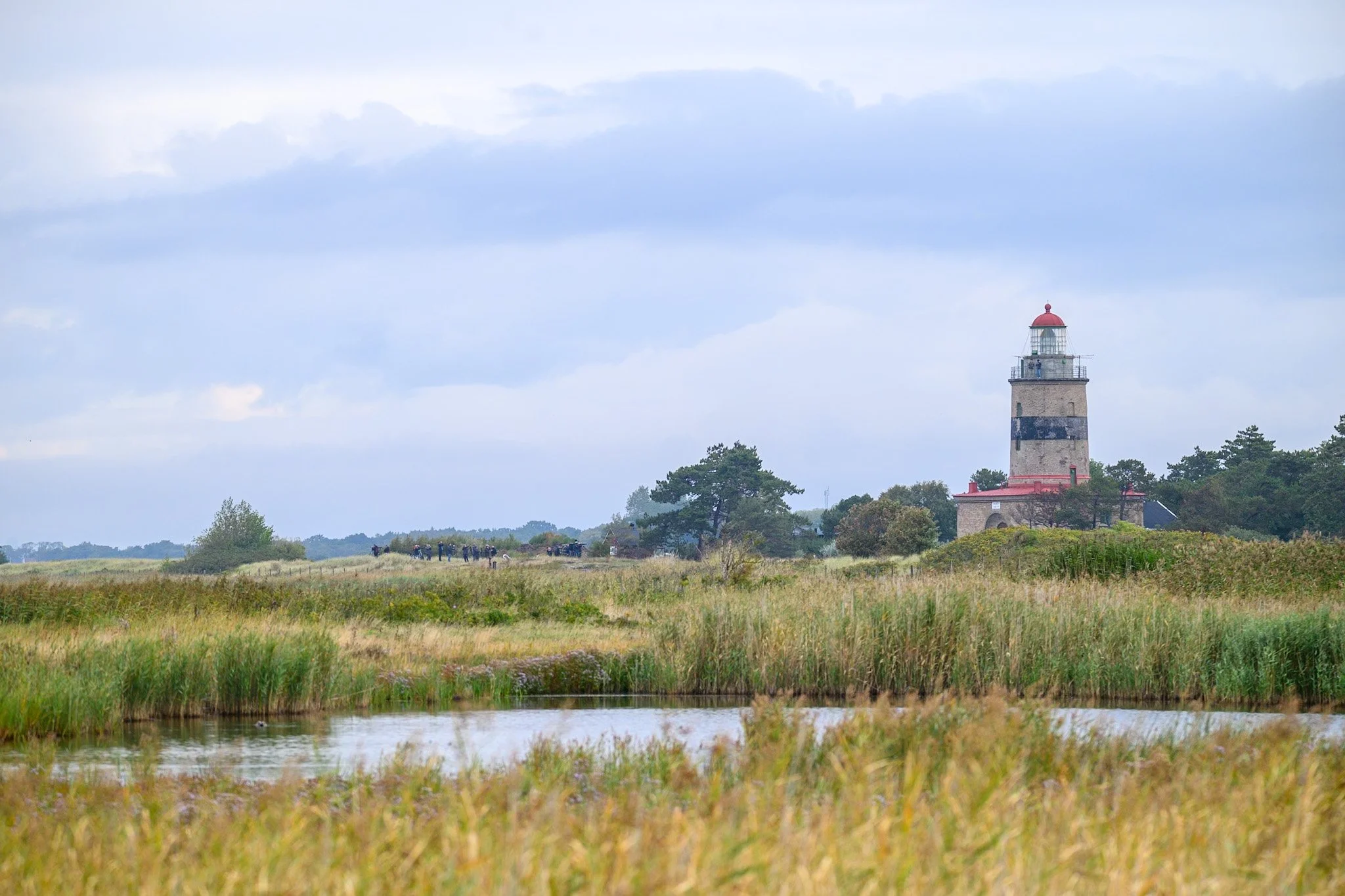
Best viewpoints: Nabben, at the southern tip past the golf course, is the classic spot for passerines and sea watching, while the Falsterbo Bird Observatory near the lighthouse offers close-up views of ringing in progress.
What to bring: Camera, Field scope, Binoculars (8x42 or 10x42 work well for raptors), and layered clothing — autumn weather on the peninsula can turn from sunshine to a stiff, cold wind within the hour.
Bird This Migration Spectacle with Birding Copenhagen
Falsterbo rewards local knowledge — knowing which winds to chase, which viewpoint to be at and when, and how to read a morning's conditions before the birds arrive. Birding Copenhagen offers guided full-day and multi-day tours to the Falsterbo peninsula throughout August, September, and October, departing from dedicated areas around Copenhagen and reaching the peninsula in less than an hour. Whether you're chasing your first Honey Buzzard flock or hoping for a scarcer raptor among the thousands overhead, Birding Copenhagen will put you in the right place at the right time.
Get in touch with Birding Copenhagen to book your autumn Falsterbo bird bonanza.