
Getterön - The top reserve in Sweden
Today’s blog needs a more comprehensive review.
I have recently spent a few days in Varberg in the province of Halland, Sweden. Close to the centre of town is the top bird reserve in the whole of Sweden, Getterön. Getterön sits just 2 km north of Varberg's town centre on Halland's Kattegat coast, and it's rightly considered, the best in Sweden and one of northern Europe's premier birdwatching sites. The reserve was established in more than 50 years ago, and is protected today both as a Natura 2000 site and on the Ramsar list of internationally important wetlands.
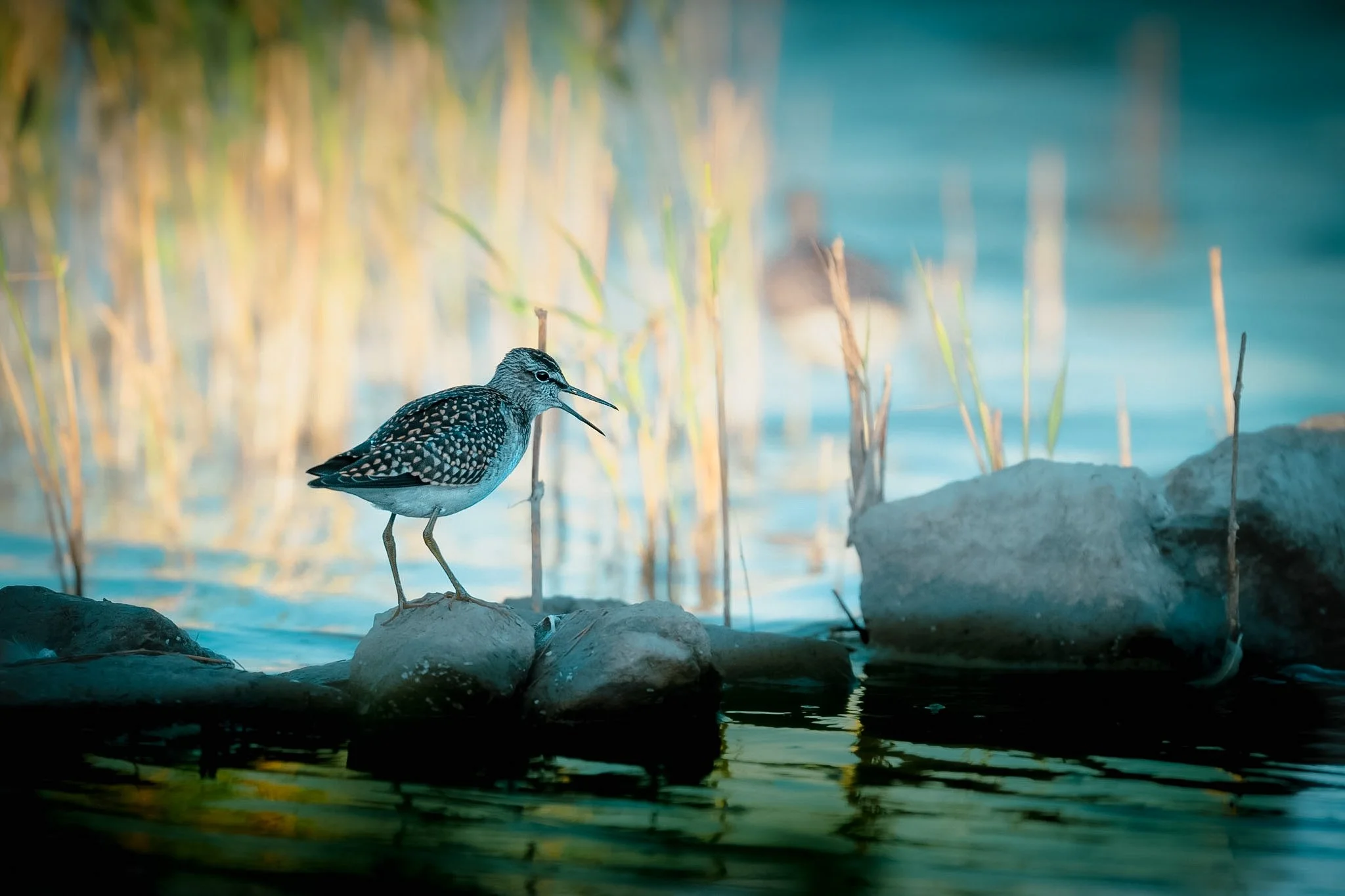
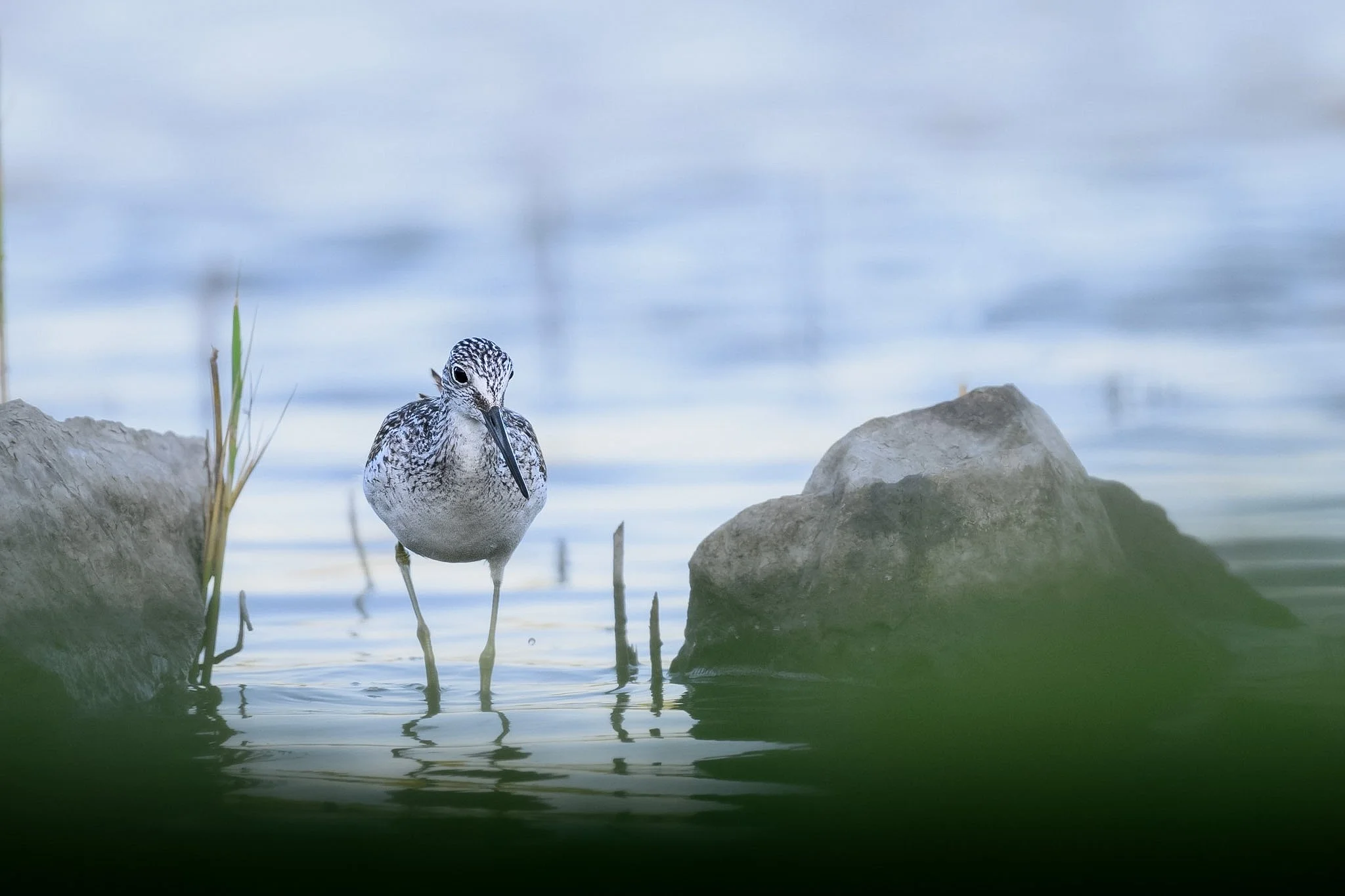
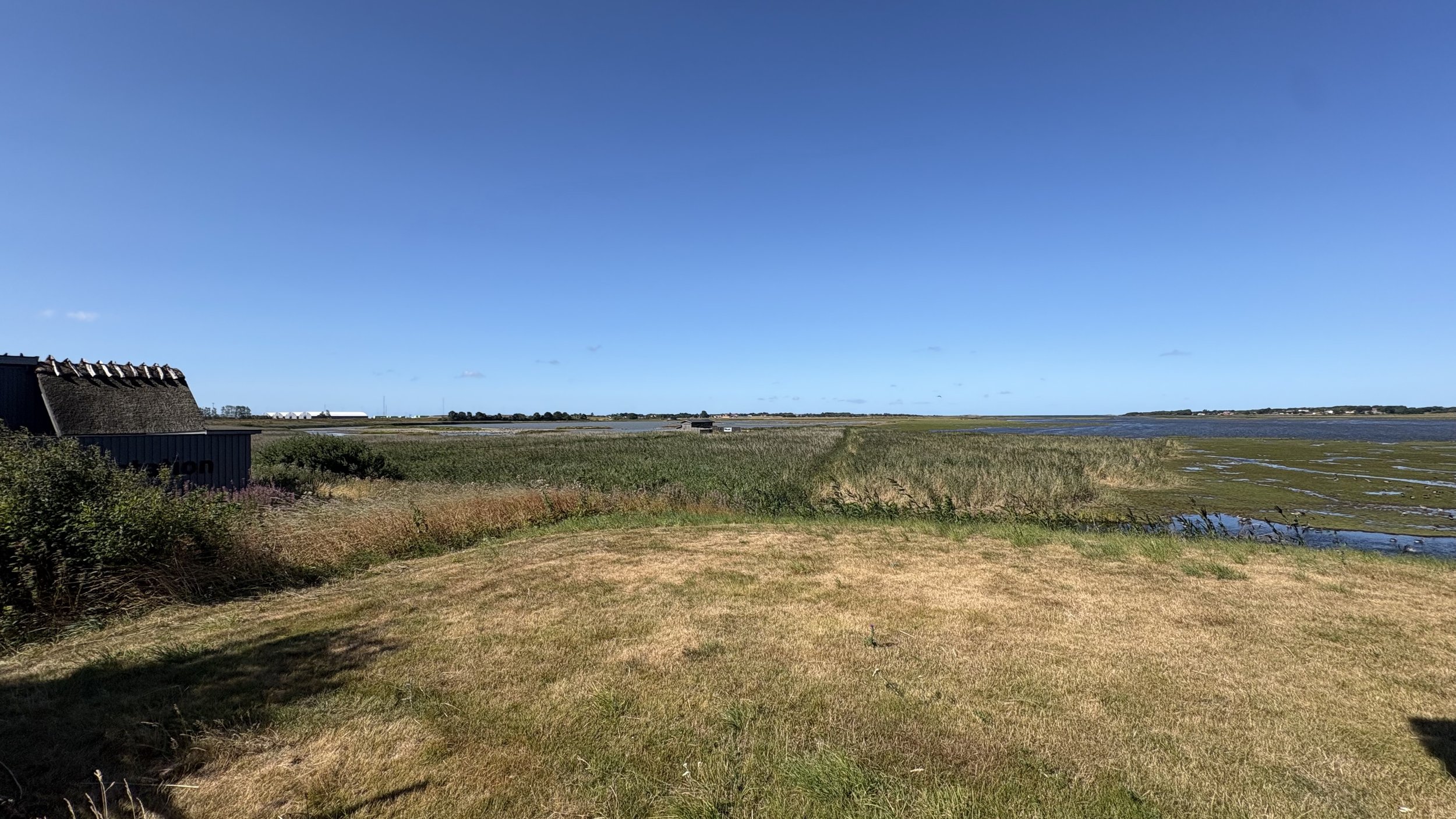
The landscape itself is a product of engineering as much as nature: it's built mainly around Farehammarsviken Bay, an almost enclosed inlet formed when embankments linked a former island to the mainland. The wetlands actually took shape in the 1930s, when the shallow strait between the mainland and Getterön was filled in, creating two bays — one either side of the new isthmus — Today the reserve is a mix of vast wetlands, open salt marsh and shallow coastal lagoon, serving as a vital refuelling stop for huge numbers of migratory birds travelling between Africa and the Arctic.
The birding statistics here are extraordinary. Around 170 species regularly breed or rest at Getterön during migration, and in total no fewer than 334 species have been recorded on site!
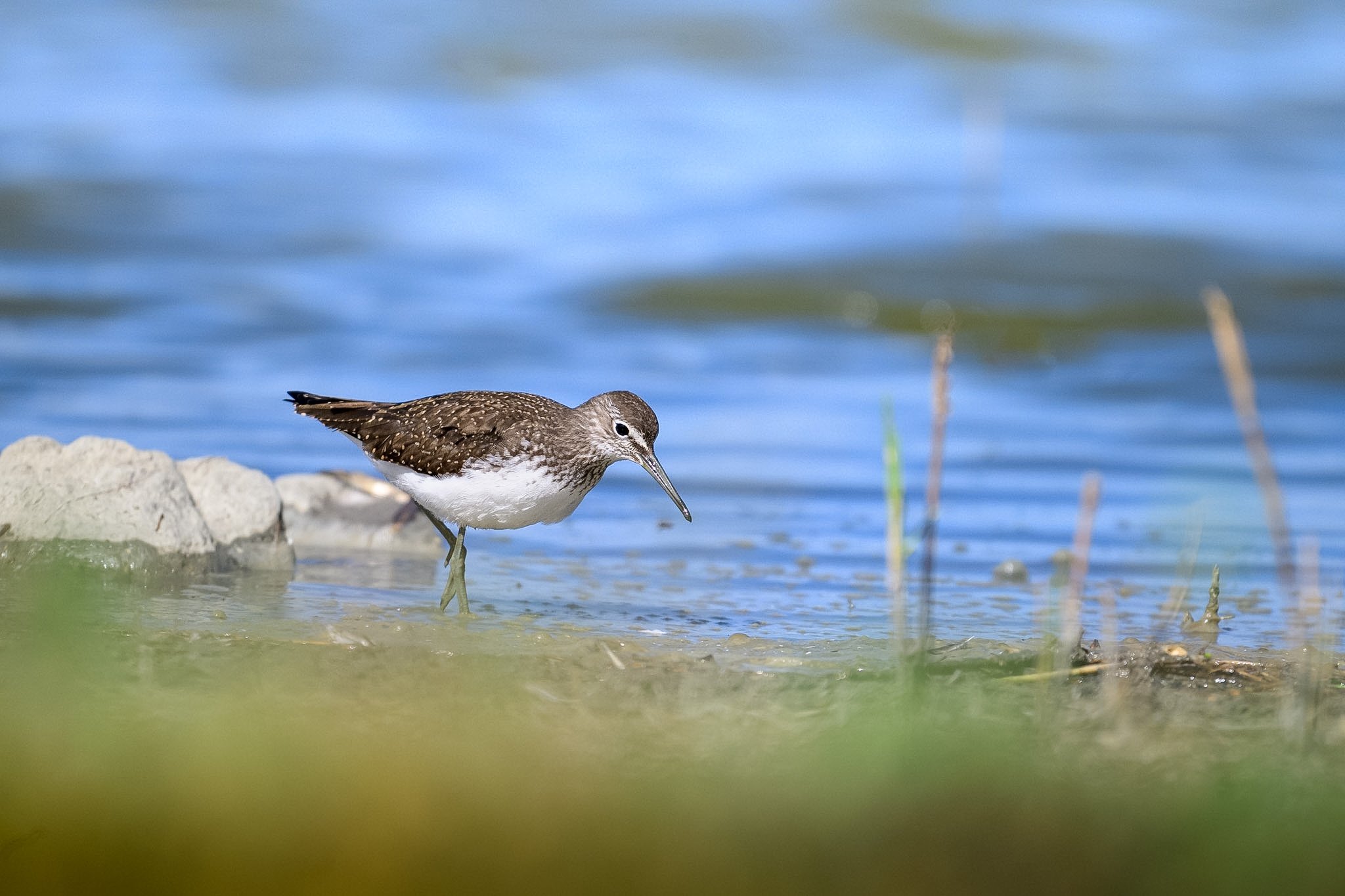
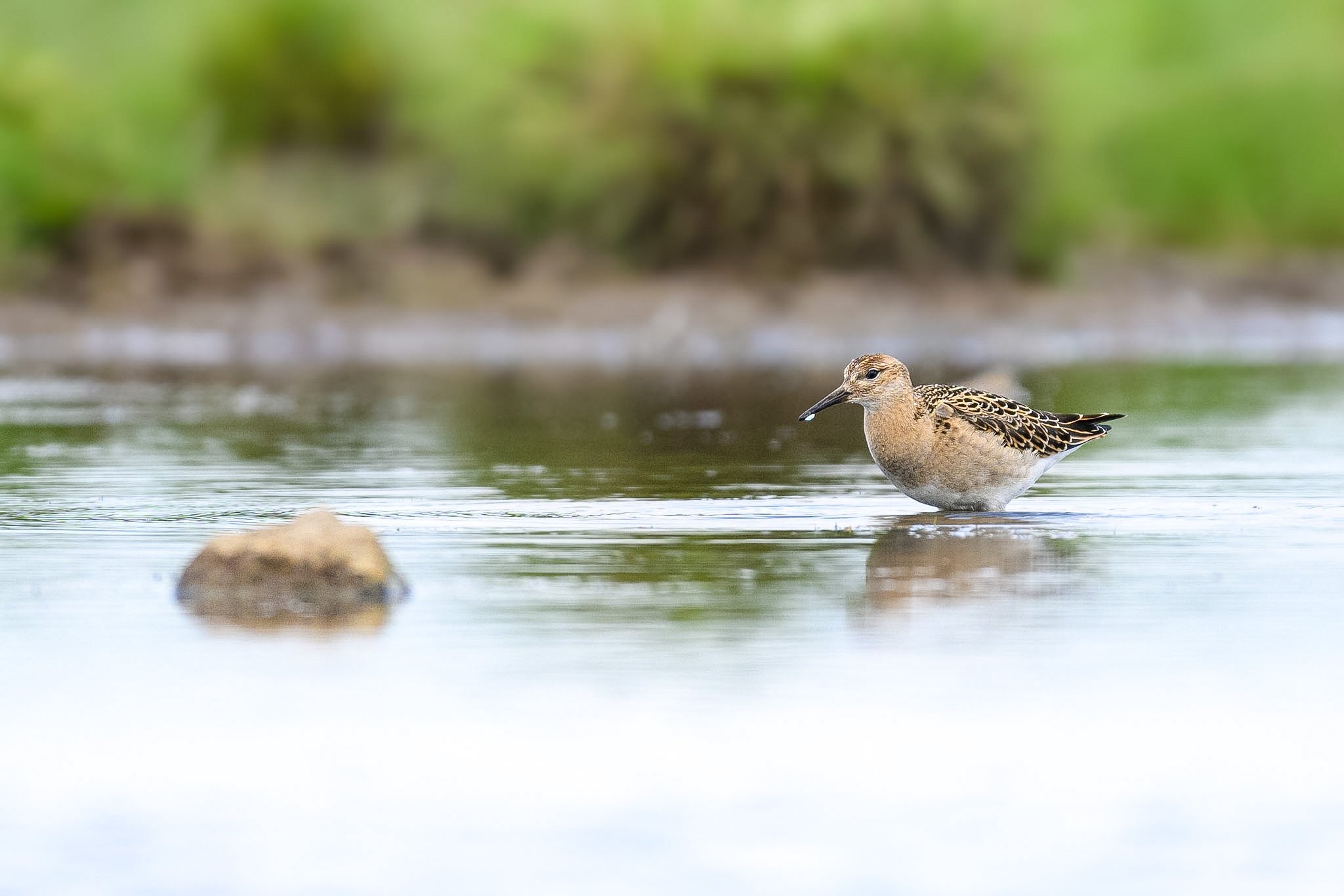
Although my list was in early August and summer was in full flow, the peak season is in autumn, and is one of the best seawatching spots in Sweden, with petrels, shearwaters, divers, grebes, seaducks, gulls, skuas and auks passing through in good numbers, especially after westerly winds, on top of the remaining waders — The site has a strong reputation for turning up genuine rarities. Nesting wetland species include gadwall, garganey, black-tailed godwit, ruff, dunlin, little tern and pied avocet — I also expect Eurasian spoonbill to be breeding soon, with the push North from Denmark leading too inevitable breeding in the area. Winter brings its own specialities too: little grebe, water rail, common kingfisher, Eurasian bittern, bearded reedling, whooper swan and smew are all regular, alongside birds of prey like the peregrine falcon. In winter the peregrine is often joined by white-tailed eagles and occasionally gyrfalcon — helped by heated water from Varberg's sewage plant flowing into the lagoon, which keeps the ice at bay even in hard winters and draws grebes, smew and kingfishers right up to the visitor centre.
This has to be the best designed reserve I have been to anywhere in the world. Getting close to the birds without disturbing them is central to the design here. The reserve has superb hides and observation points, and the whole area can also be viewed from the Naturum visitor centre's panoramic windows, a spectaular view across the whole reserve, with static fieldscopes for use by visitors. Among the hides, he reed hide in particularly was highly rewarding (with patience) for photography.
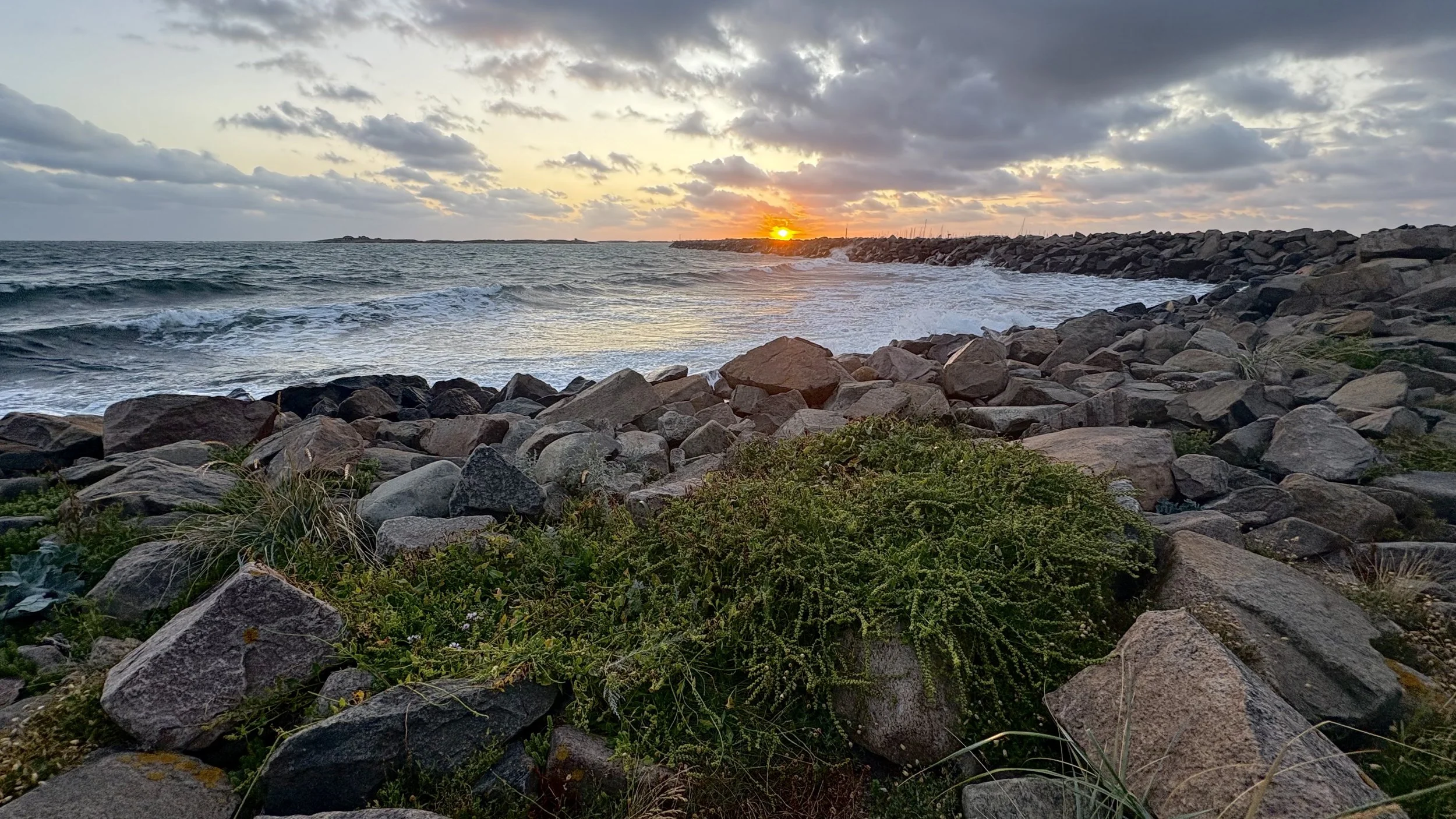
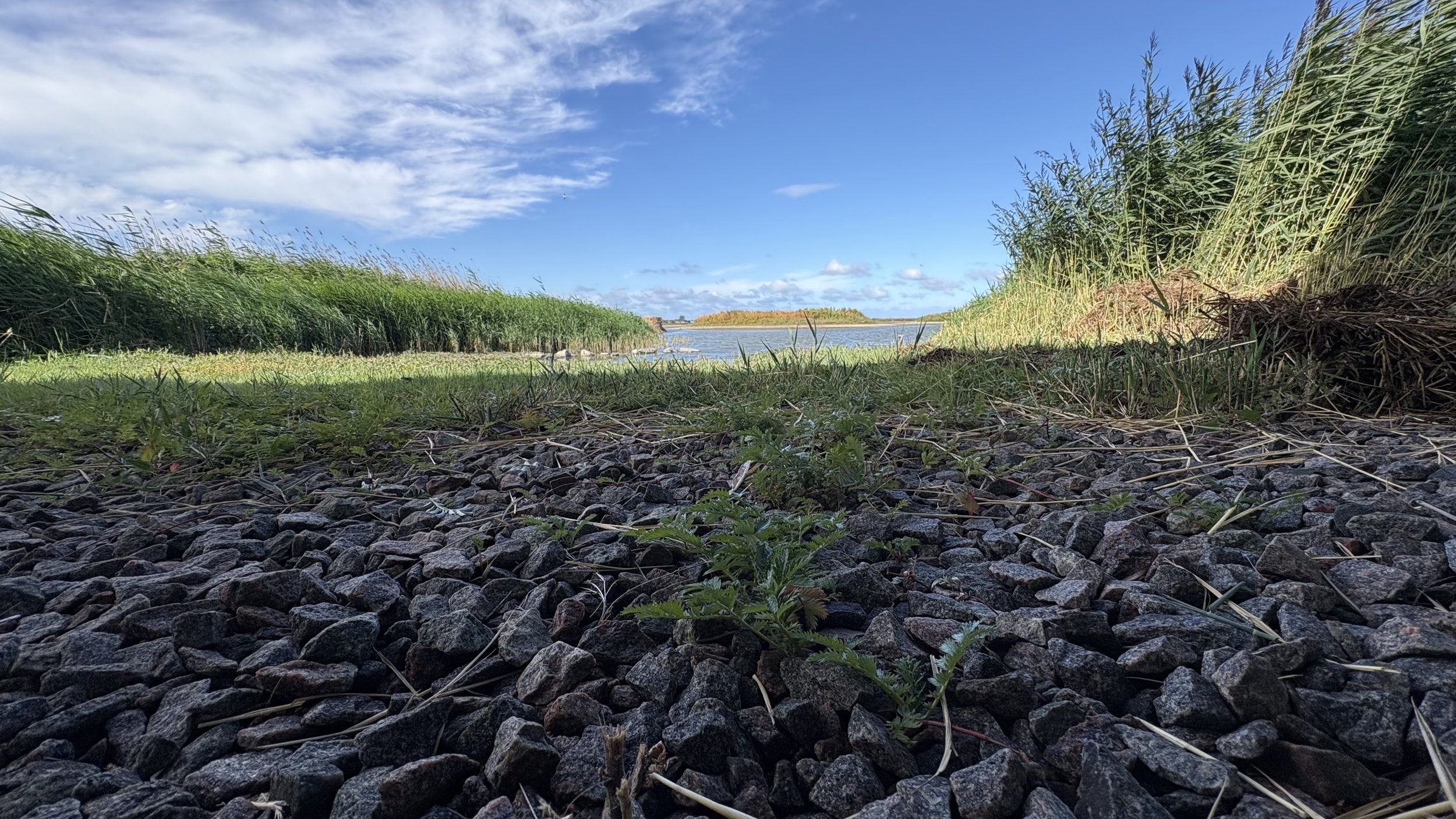
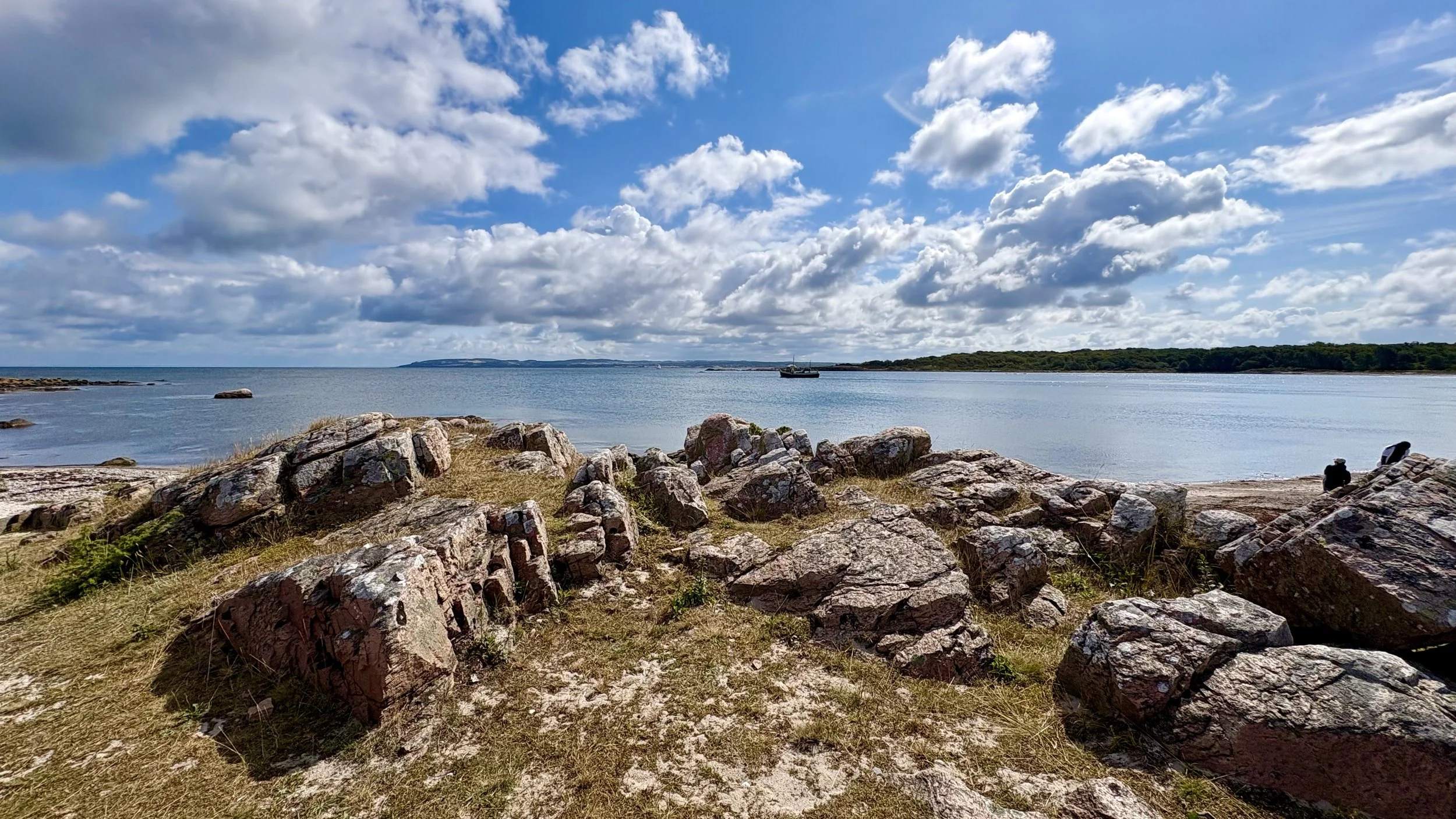
Between Kullaberg's cliffs, Väderö's seabirds, and Getterön's wetland spectacle, my few days at these new sites in Southern Sweden have provided a genuinely world-class birding stretching the Kattegat coastline to work with for future birding trip.