
Sweden's Island of Limestone, Sky and Wild Things
A nature lover's guide to the long, windswept island in the Baltic. Sweden is not short of beautiful places, but Öland feels like it was designed by someone who wanted to break the rules. It lies off the southeast coast, about 137 kilometres long and rarely more than 16 wide, a thin limestone ribbon in the Baltic Sea. It has no mountains, almost no hills, and hardly any forest to speak of in the south. What it has instead is space: huge skies, long horizons and a landscape that looks like nowhere else in the country.
Here is what makes its nature so special. The Alvar: Sweden's Strange Little Steppe. The heart of Öland is the Stora Alvaret, the Great Alvar, a vast, flat plain across the southern half of the island. An alvar is a thin-soiled grassland growing directly on limestone bedrock. In spring it floods with meltwater. In summer it bakes and cracks. In winter the wind scours it. Almost nothing can survive those swings, so what does survive is remarkable. The result looks more like the steppe of central Asia than anything you would expect in Scandinavia. Together with the surrounding farmland, the southern part of the island is a UNESCO World Heritage Site, valued for how people and a harsh landscape have shaped each other over thousands of years. Low stone walls, old windmills and grazing animals are part of the picture, not intrusions on it.
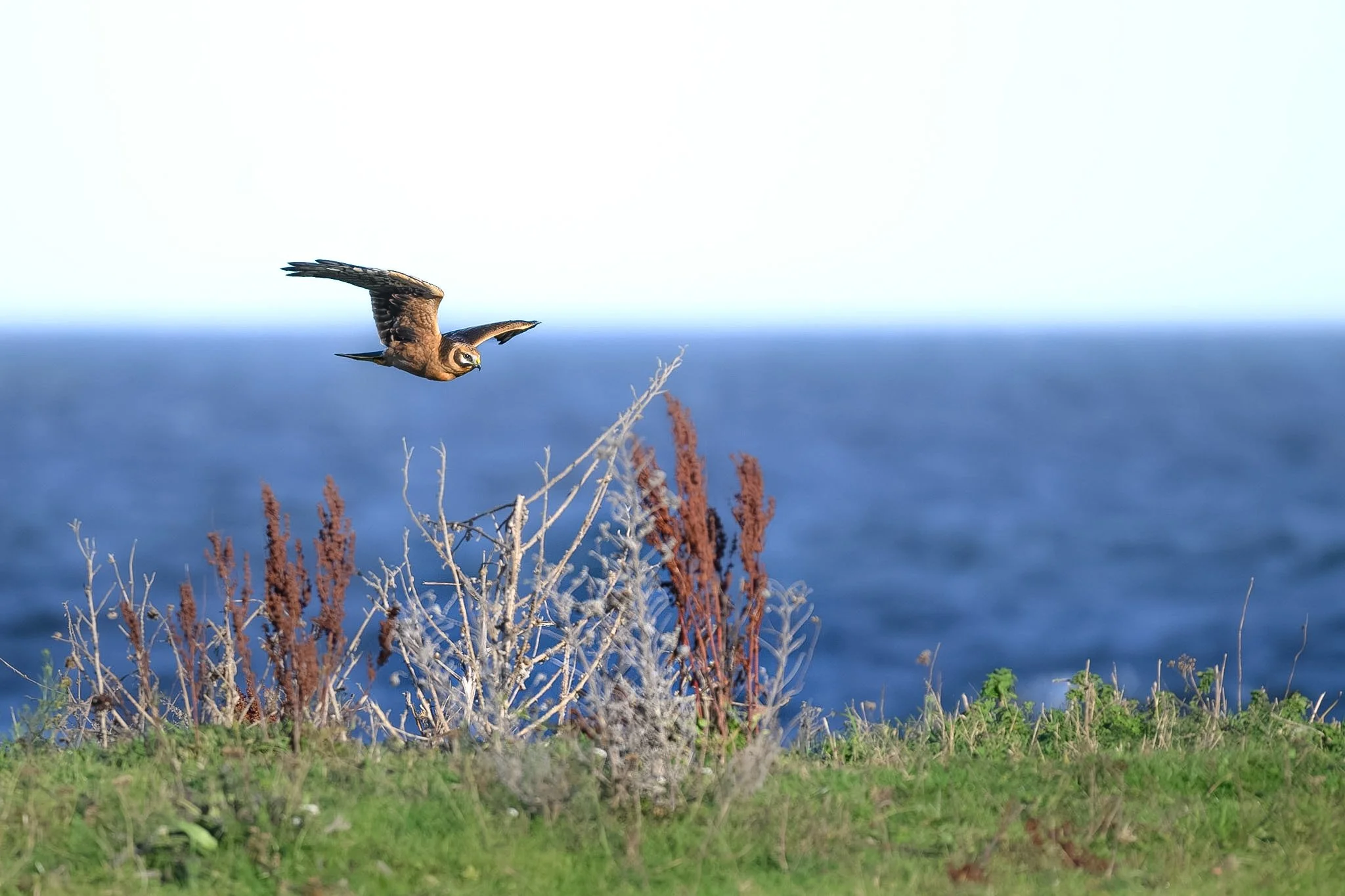
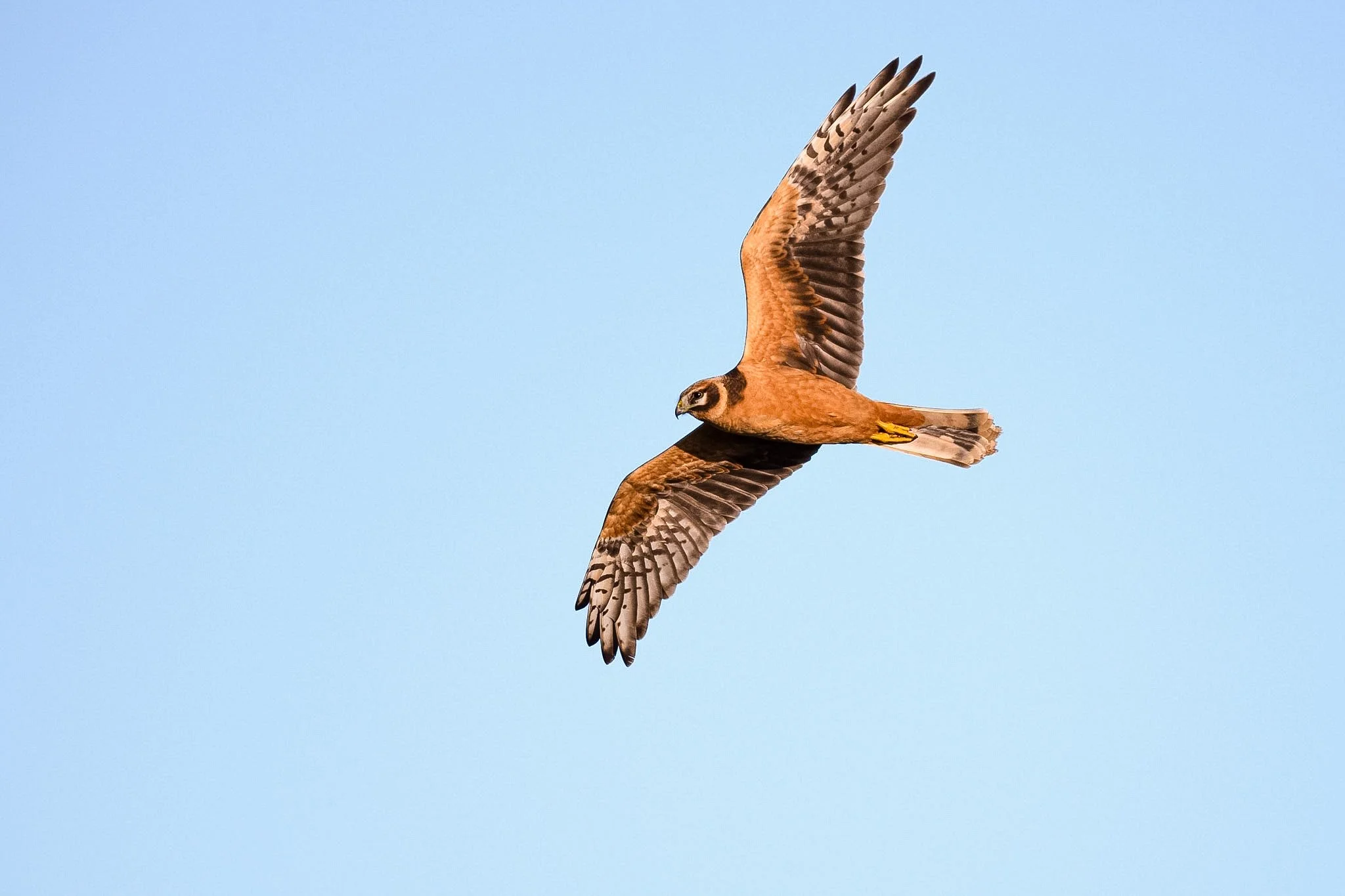
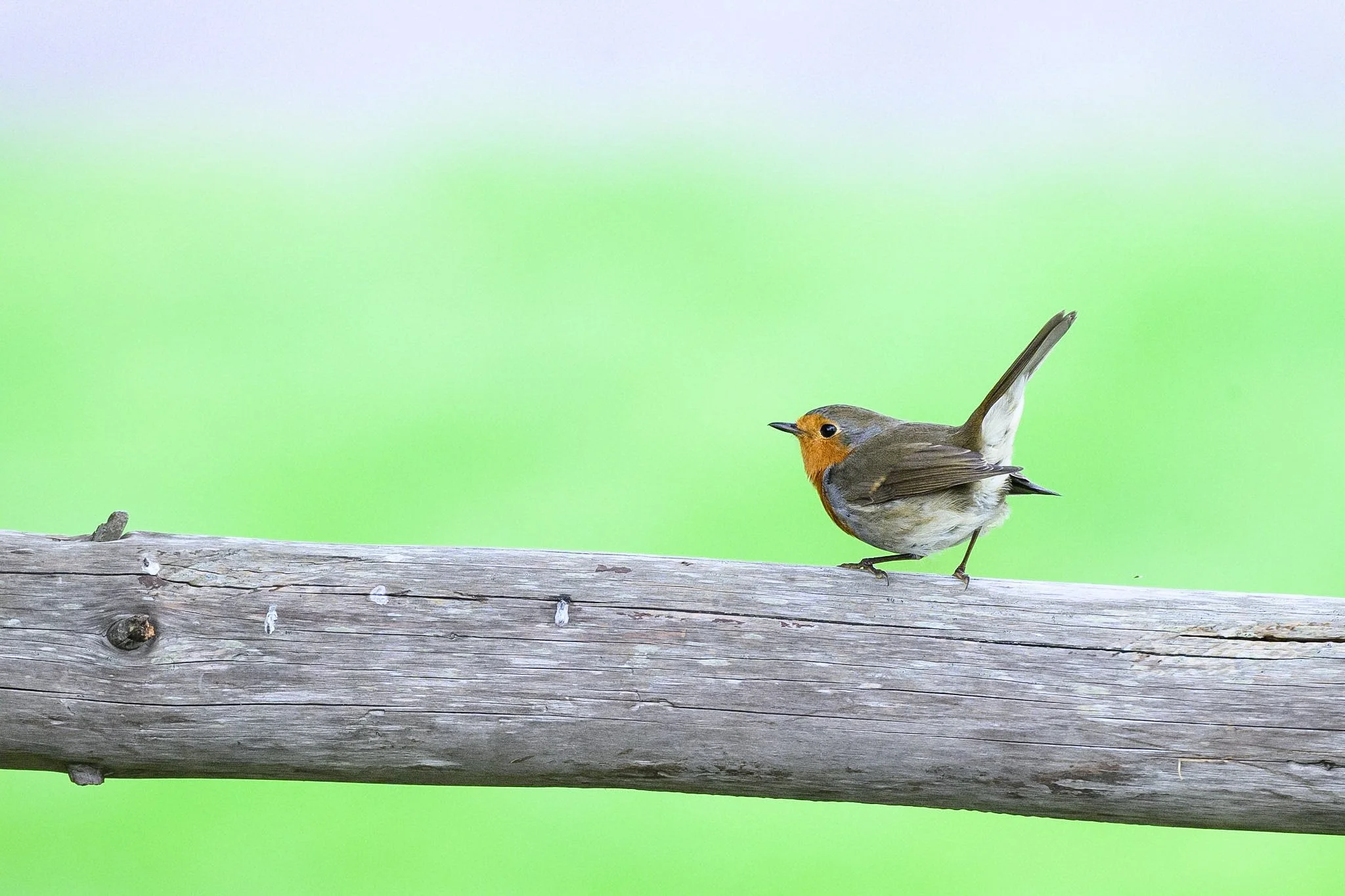
A Bird Island - On a map, Öland sits right on a major migration route, and the birds know it. In spring and autumn, enormous numbers of waders, geese, raptors and songbirds funnel along the island, resting and feeding on its coasts and fields. The southern tip is the place to be. Ottenby, with its famous bird observatory and the tall old lighthouse known as Långe Jan (Long Jan), has been a landmark for ornithologists for generations. Standing on that flat headland with a telescope, you can watch a steady stream of migrants arriving from the north. And the island does occasionally deliver the extraordinary, see my post on the cream-coloured courser, a desert bird from North Africa and the Middle East, turned up on the northern alvar. It was the first one seen in Sweden since 1942. Öland is exactly the sort of place where lost travellers wind up, and where the people who love them follow.
Flowers You Will Not Find Anywhere Else
Because the alvar is so harsh, specialists thrive on it. Botanists travel here from across Europe in late spring and early summer for:
Orchids. Öland is famous for them, and in good years the grasslands are dotted with several species at once.
Rockroses and other limestone lovers. The island's own rockrose, a small yellow flower, is so closely tied to the place that it has become a local emblem.
Rare species that live on Öland and almost nowhere else in the region, adapted to a world of lime, drought and wind.
Visit in May or June and the flat, grey-green plain turns into a colourful patchwork. It is a good lesson in how much beauty can grow in a place that looks barren from a distance.
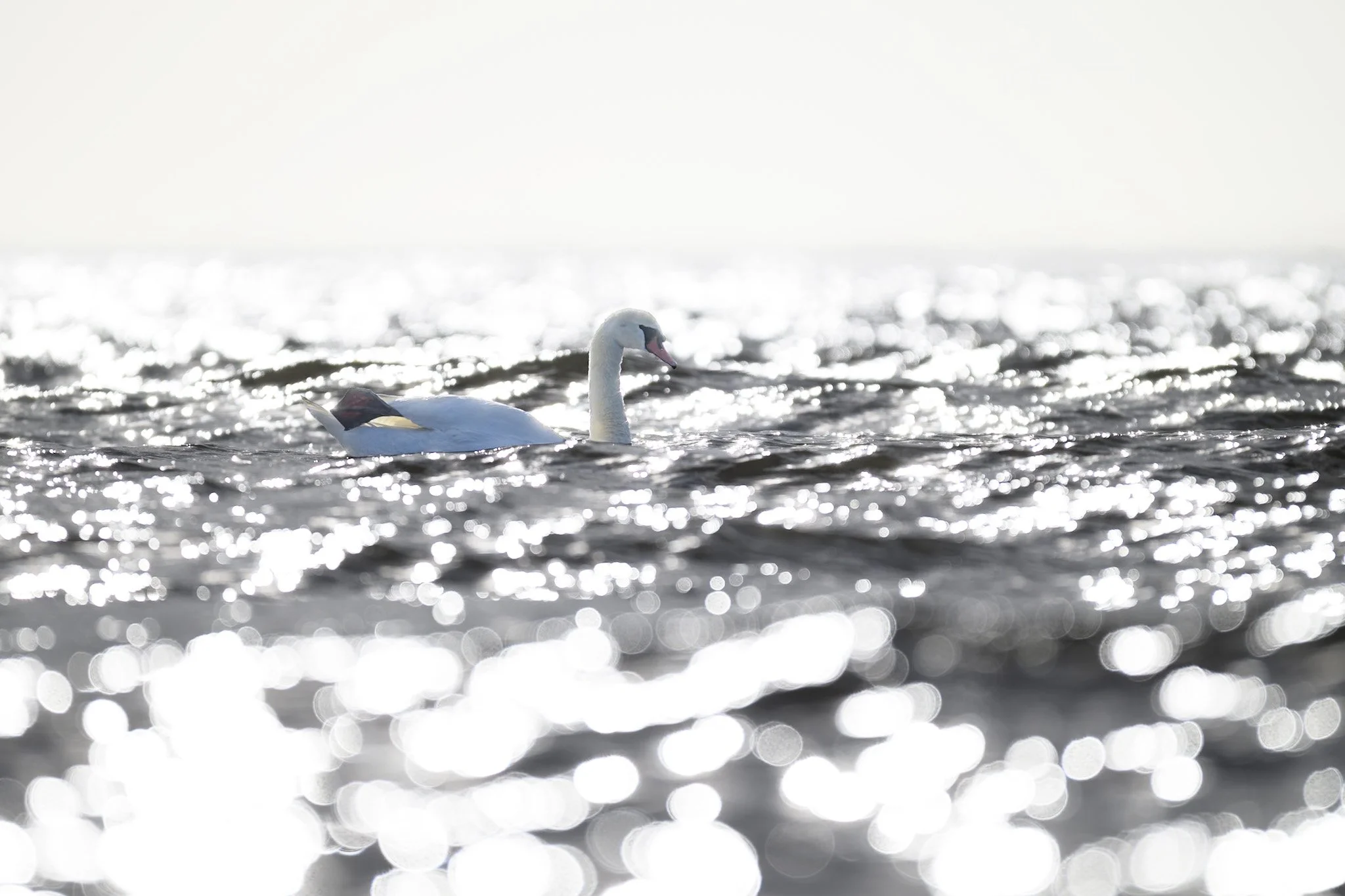
Coast, Sand and Shore - Öland's long coastline is a mix of rocky shore, shingle beaches and sandy stretches. Along the west coast, shallow water and meadows by the sea make good feeding grounds for birds. Further north, around Böda, the landscape changes again, with broad sandy beaches and dunes backed by pine woods. These are not the postcard tropical beaches of the south. They are cooler, wilder and far quieter, and many visitors prefer them that way. Walking a long, empty shoreline in a cold wind, with the Baltic stretching to the horizon, is its own kind of luxury.
The Forests of the North - If the south is open and bare, the north is where Öland grows trees. Gnarled, wind-twisted pines and old woodland give the northern end of the island a completely different mood. One well-known patch of forest, Trollskogen (the Troll Forest), has trees so bent and sculpted by the elements that it is easy to see where the name comes from. The contrast is part of the island's charm. In the space of one day you can pass from open steppe to coastal dunes to shadowy pine woodland, without ever leaving a landmass you could drive the length of in a couple of hours.
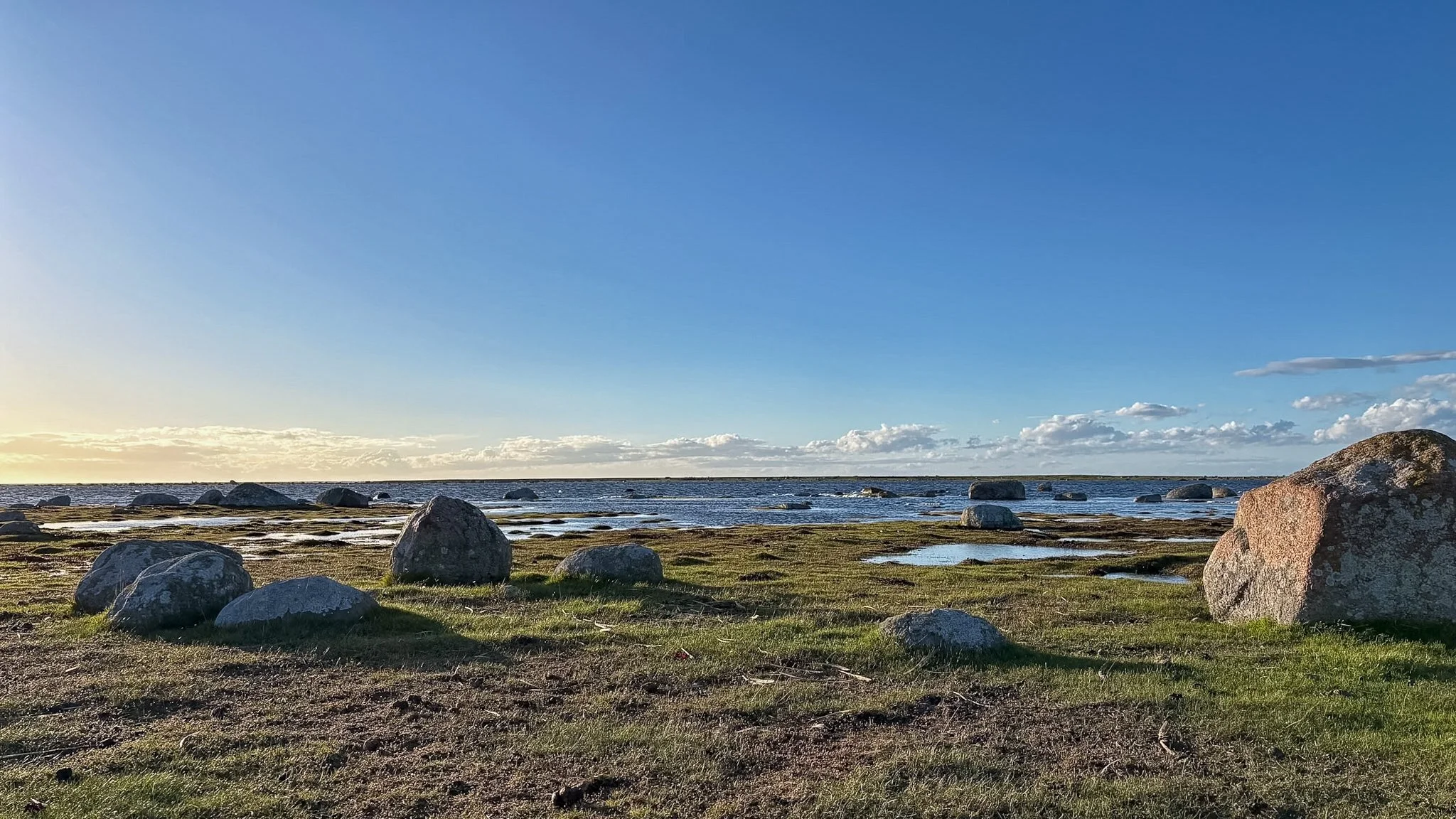
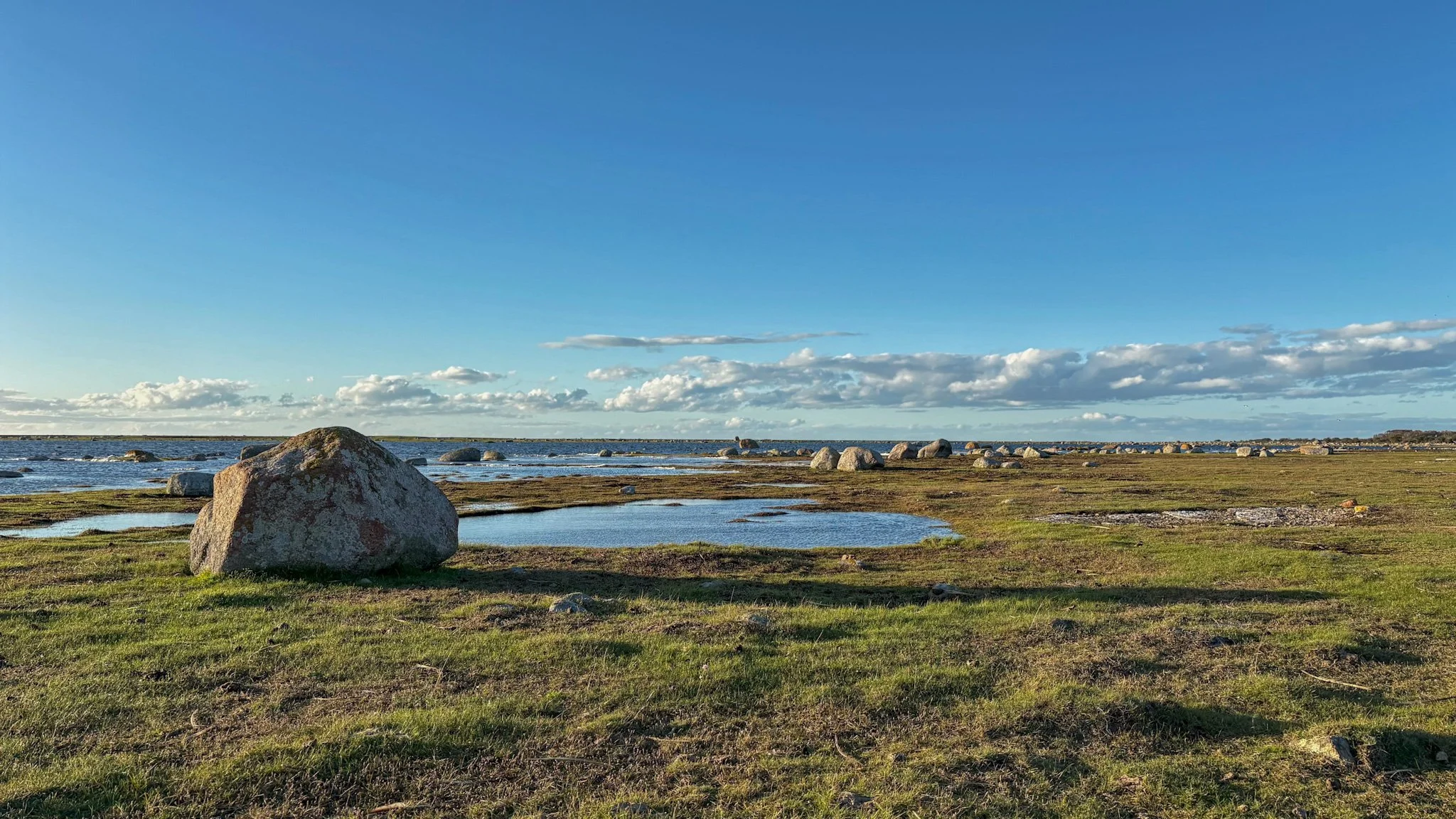
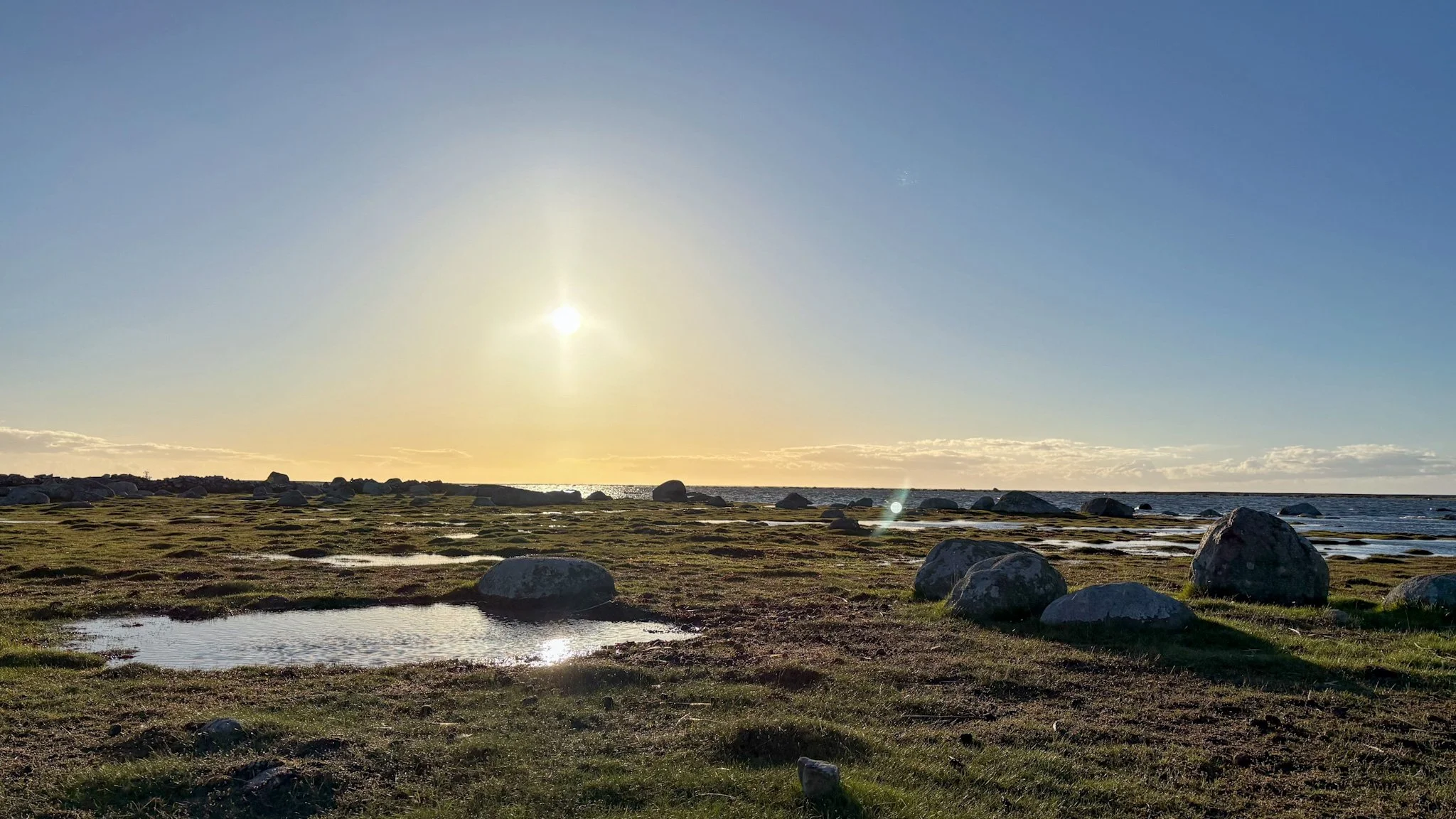
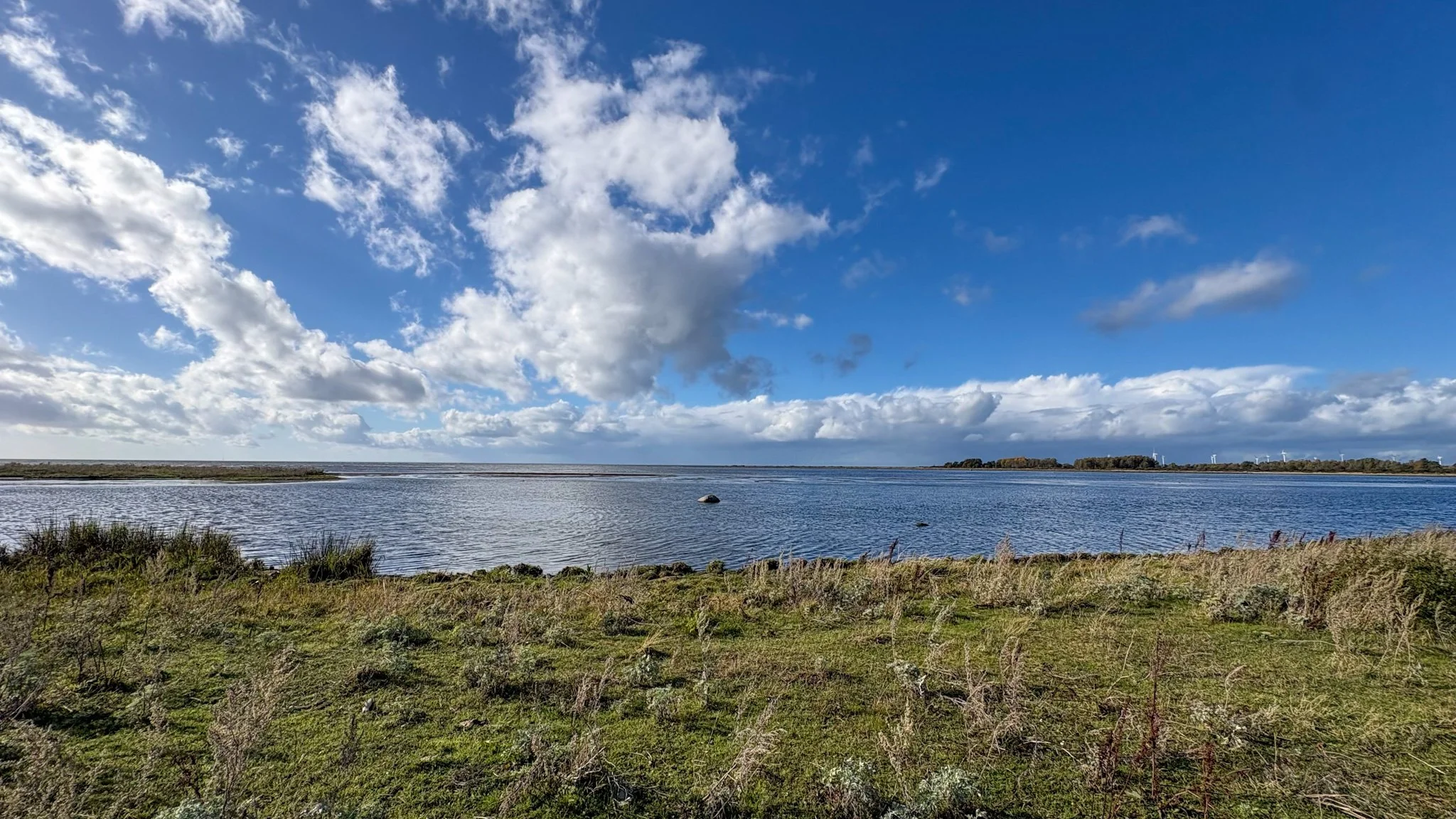
Wind, Windmills and Light -One thing ties everything together: the wind. It shapes the trees, scours the alvar, drives the birds and turned the island's many windmills in centuries past. Many of those mills still stand, small dark silhouettes against enormous skies. The light is just as important. With so little to block it, Öland has long, golden evenings and some of the most dramatic sunsets in Sweden. Photographers love it, and so does anyone who simply enjoys looking up.
When to Go
Late spring (May–June): Orchids and alvar flowers at their best, with long days and fresh green growth. Spring bird migration.
Summer: Warm weather, beaches and the island at its busiest.
Autumn (September–October): Peak bird migration, quieter roads and the chance of a rare surprise.
Winter: Stark, cold and empty. Dress warmly and enjoy a landscape that belongs to the wind.
The alvar and its wildlife are fragile. Stay on paths, keep your distance from nesting and resting birds, and give wildlife room, especially when a rare bird has drawn a crowd. A bird that is chased again and again burns energy it needs to survive. The island's beauty depends on visitors treating it with care.
Final Thoughts - an enormous sky, a rare and peculiar landscape, and wildlife that turns up in extraordinary ways. Spend a few days there and you start to see why even a desert bird would choose it. If you go, bring binoculars, a warm layer and a little patience. The island rewards people who slow down when exploring this long baltic island paradise.